
Twenty Years in the Making: Our First School Orchard
Orchards have long been part of Missoula and Western Montana's agricultural history. From the apple orchards of the Bitterroot Valley to the Orchard Homes neighborhood right here in town, fruit trees have shaped how we grow our own food for generations.
This spring, after more than 20 years of partnering with Missoula County Public Schools on Farm to School programming, Garden City Harvest's Farm to School team helped students, parents, and teachers plant the first-ever School Orchard at Franklin Elementary, just outside their school garden.
This has been a goal of ours for many years — a small orchard can provide a surprising amount of fruit for a school community, create space for all kinds of learning, and offer a nice patch of shade on a hot summer day.
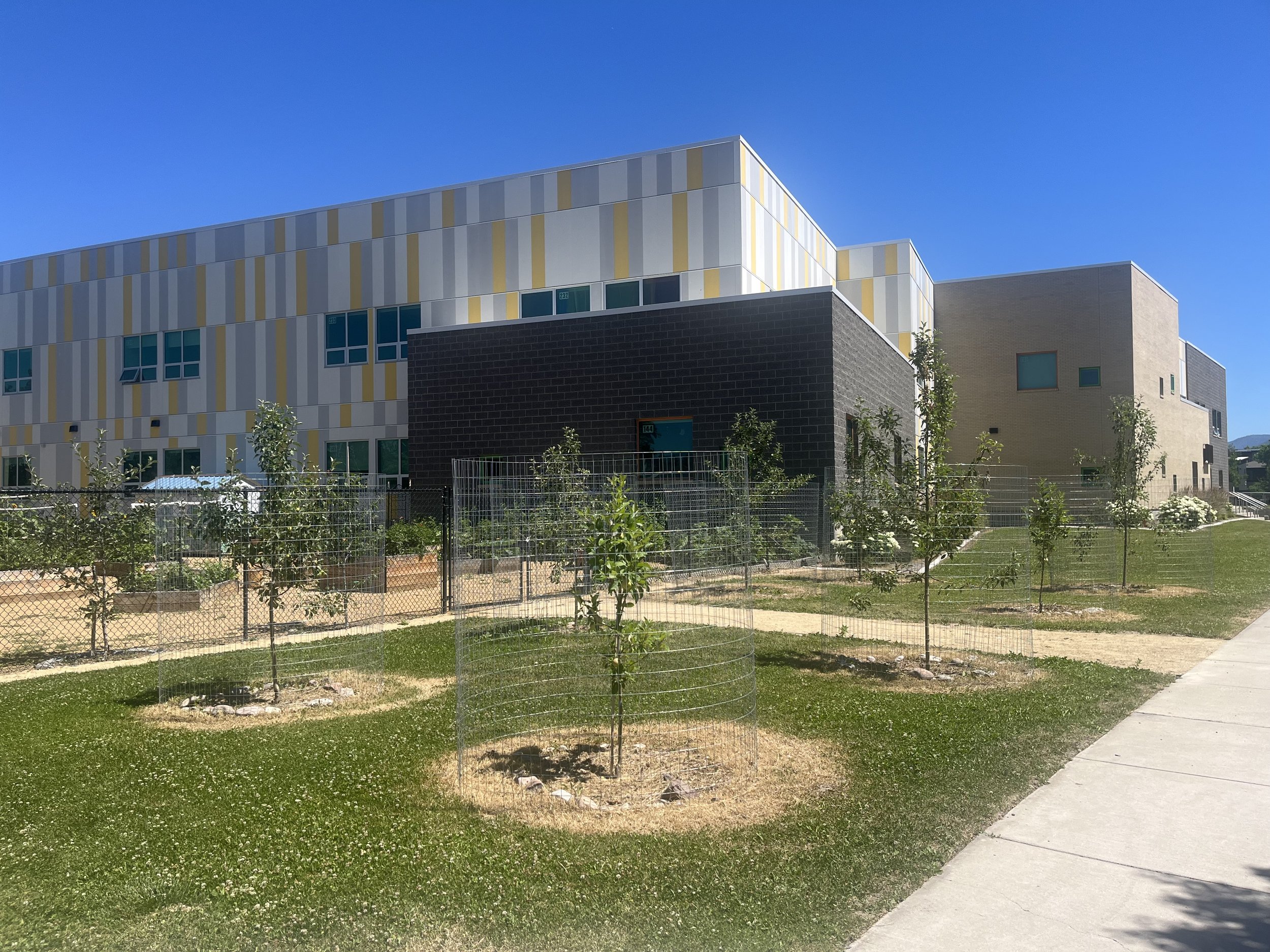
Over the years, School Garden Committees have asked to use what I've come to call "marginalized spaces" — the corners of school grounds that are mostly just grass, not used for play, learning, or beautification. These underused spaces are where school gardens have historically ended up, too, since they were otherwise just costing the district money to maintain. But each time an orchard came up, there was always a reason not to do it.
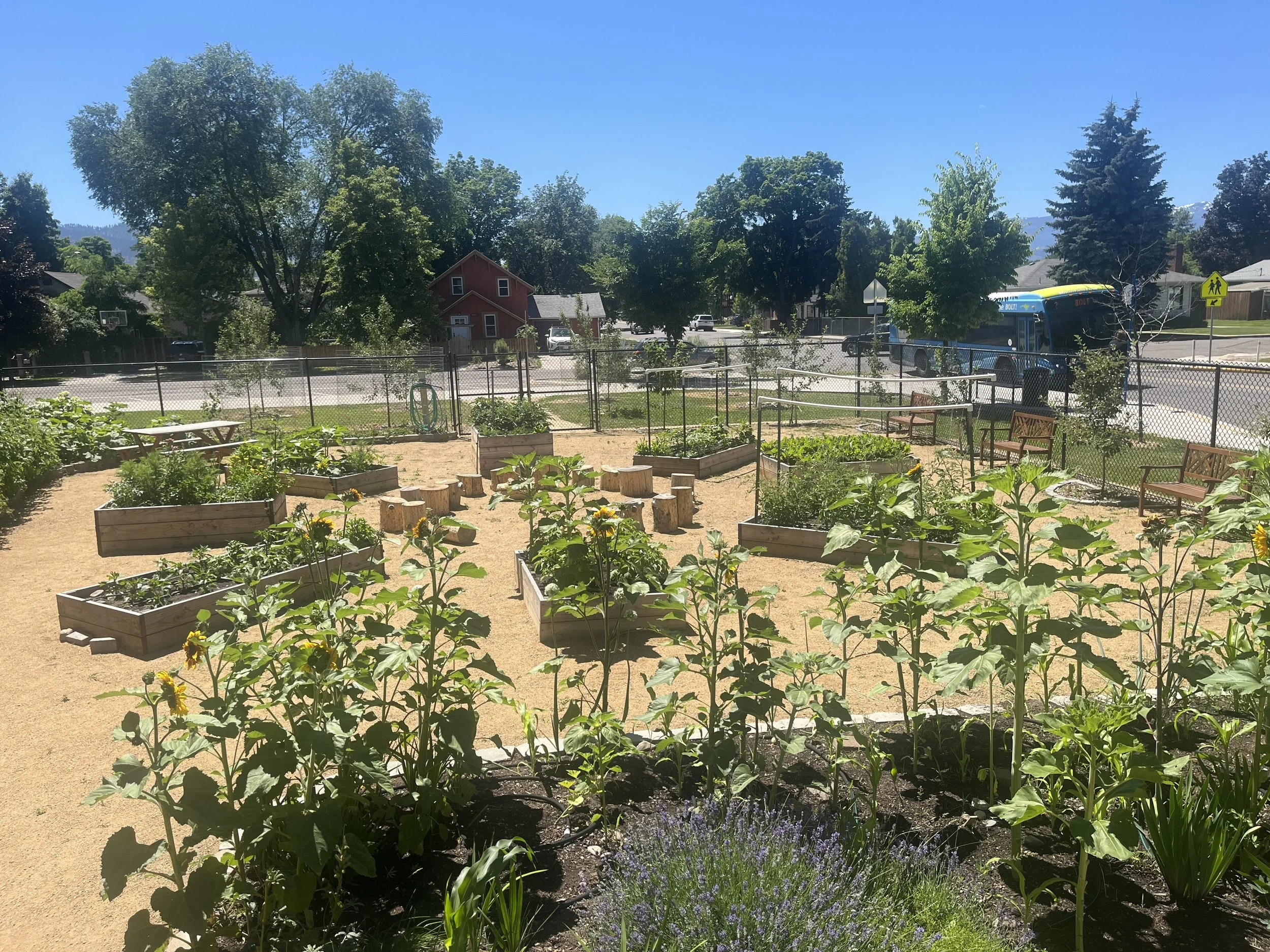
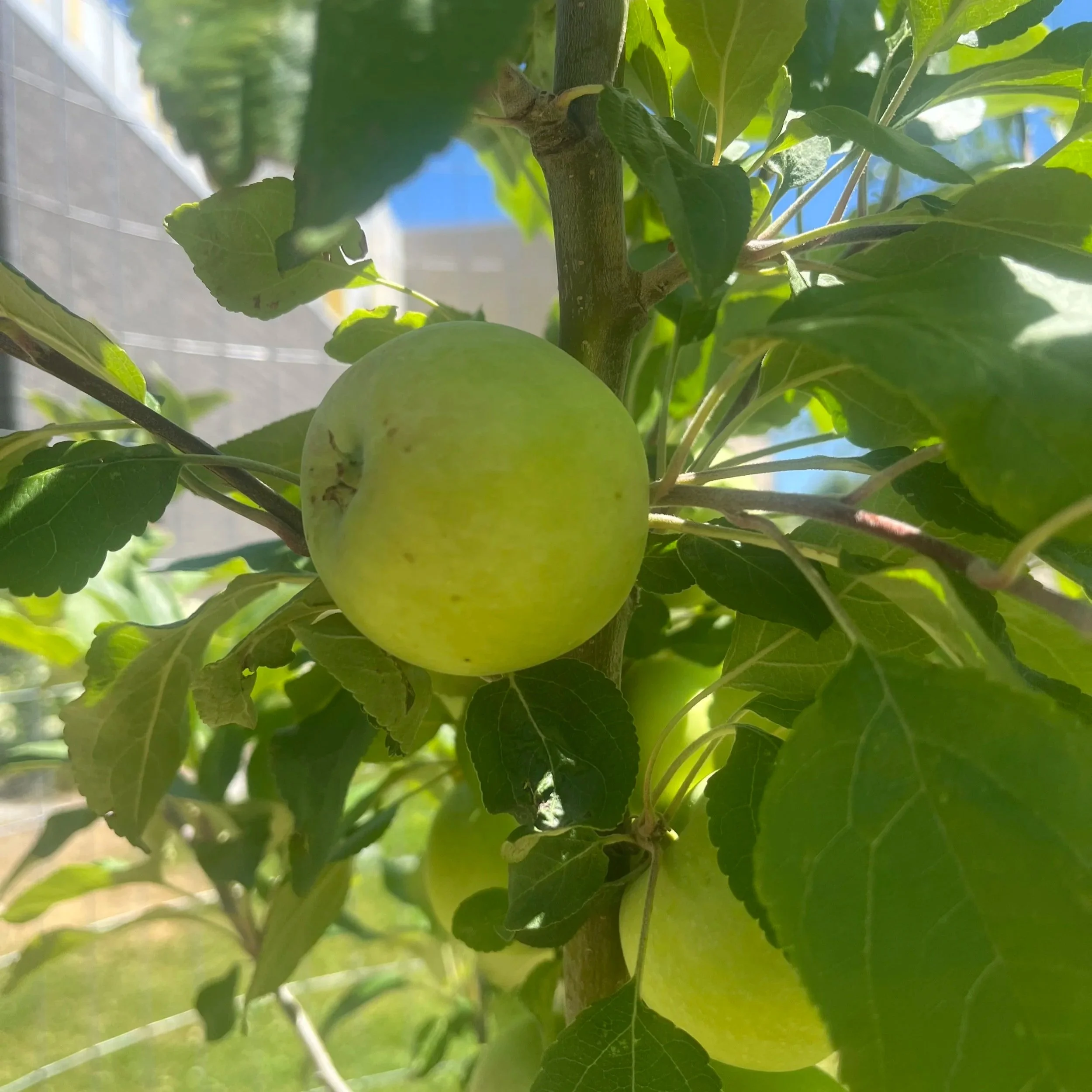
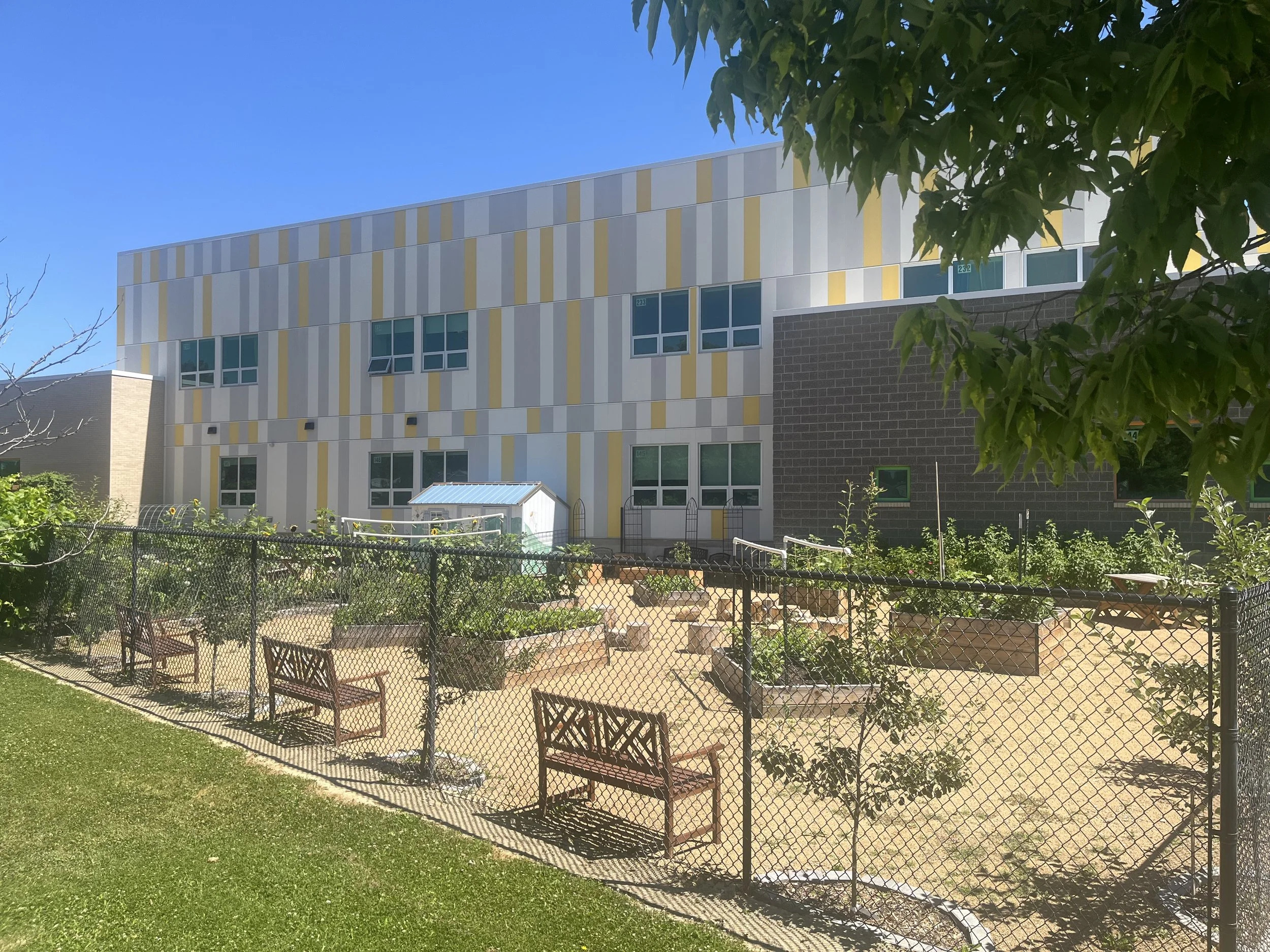
This time was different. With the support of Franklin's teachers, principal, and the school district's facilities and operations team, we now have eight apple trees in the ground — and because we planted fairly mature trees, they're already producing fruit in their first season! Eight trees may not sound like much, but the school garden also holds eight espalier fruit trees (trees trained to grow flat) along the fencelines. That's sixteen fruit trees on school grounds, in a space that used to be nothing but grass that needed watering — grass the kids weren't even allowed to play on.
Over the past two years, we've worked with Franklin to double the size of their school garden and bring this orchard to life. The commitment from staff and parents to creating new experiential learning spaces for their students has been inspiring — and these spaces offer so much more than a chance to learn about and eat fruits and vegetables. Math, art, history, reading, and social studies all come alive with the real-world context of a living classroom. I encourage folks across Missoula and Western Montana to come check out this unique outdoor learning space — and hopefully leave inspired to create more like it. Almost every school has a patch of ground that isn't used for anything but growing grass. With a little teamwork, enthusiasm, and hard work, these spaces can become so much more.
If you or your school are interested in creating a new garden or orchard space, please reach out to Jason Mandala at jason [at] gardencityharvest [dot] org, and check out our guide, Creating an Outdoor Learning Center: The Home of Your New School Garden.