
Soil Health and Amendments
Great soil is essential for a beautiful, productive garden. Investing time and effort into soil prep now will ensure healthy growth in the future.
what makes great soil?
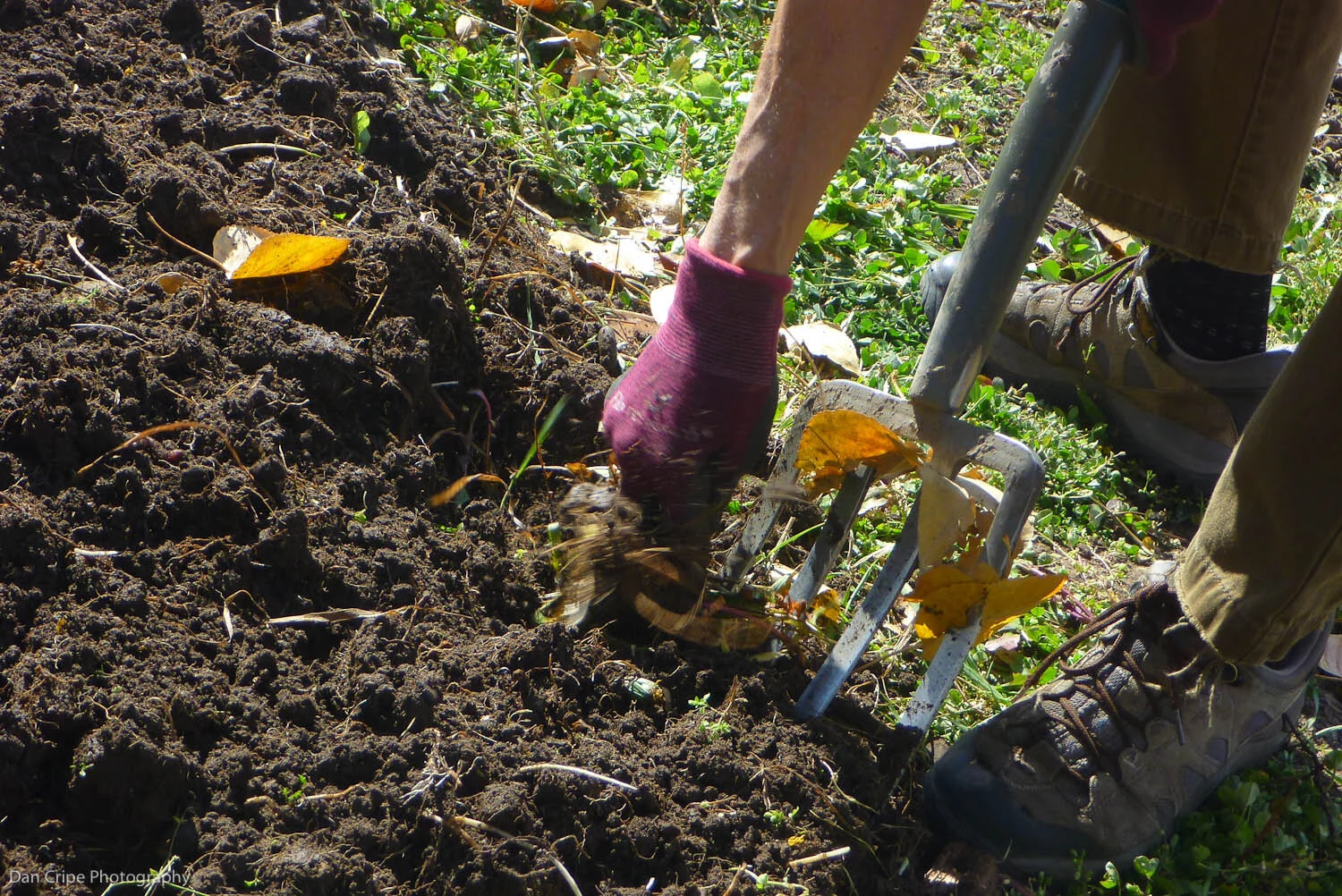
Great soil is typically a rich, dark color, easy to dig into, and retains clumps and clods.
Soil seems simple, right? Dirt, a few bugs, dirt, rocks, more dirt… Actually, the components of great soil are much more varied and complex!
Healthy soil is made up of proportionate amounts of weathered rock, air, water, organic matter, and organisms.
Weathered Rock accounts for almost 50 percent of a soil sample. It exists in the soil as sand, silt, and clay, largest to smallest respectively.
Air is stored in porous pockets of soil and makes up nearly 25 percent of its composition. Air is important because it keeps microorganisms alive and provides nitrogen to plant roots.
Water is also stored in porous pockets and accounts for 25 percent of soil composition. If soil is waterlogged it eliminates air pockets, thus preventing organisms from flourishing.
Organic Matter, though small in volume (5-10 percent of soil composition), is essential for soil health. Organic matter creates air pockets within the soil and helps to hold moisture and nutrients.
Organisms living in the soil make up the “soil food web”: this includes microorganisms like bacteria, fungi, nematodes and algae, as well as crawly creatures like earthworms, ants, mites, and spiders.
Each of these components plays a crucial role in soil health and should not be underestimated!
what do soil amendments do?
When one or more of the components of soil, listed above, are either too low or too high, the soil’s composition is thrown off. That is why we use soil amendments: to improve the physical and chemical makeup of the soil until it reaches a harmonious balance. When used properly, amendments alter the composition so growing becomes simpler. For example, roots may penetrate surrounding soil more easily, water infiltration improves, and nutrients are more readily available.
Note: Soil amendments are different from from fertilizers. While fertilizers add nutrients to the soil in order to feed plants, amendments modify the condition of the soil itself.
Get the timing right
Early spring or late fall are generally the best times of the year to apply amendments. This allows time for them to break down and integrate with the soil. From the gardener’s perspective, it is much easier to add soil amendments when the garden is empty!
Amendments can also be added when planting, for instance adding a handful of compost to the hole before placing your plant.
The most basic soil prep
For the beginner gardener, simply adding organic material like compost can be enough.
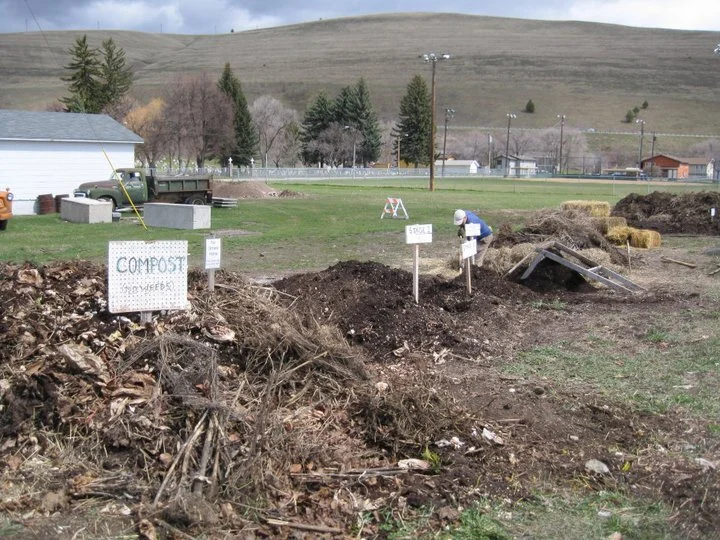
Compost piles in various levels of decomposition. Compost is an excellent soil amendment!
Organic matter will:
Loosen tight clay and help sand hold more water
Make soil easier to dig
Move soil pH towards a level ideal for many fruits & vegetables
Add nutrients
Common organic matter additives include:
Compost is made up primarily of organic plant matter. It makes for an excellent soil conditioner that adds nutrients, increases water retention and aerates the soil. Fresh compost contains an abundance of live organisms which will work to the benefit of your overall soil health.
To apply: Before planting in spring or when putting your garden to bed in the fall. Spread a layer of compost 1-2 inches deep across your garden beds and work into soil with a digging fork.
Manure refers to animal feces. It is another effective soil conditioner, but take care- most types of manure (e.g. chicken, horse, cow, pig) must be composted before applying to your soil. Manure is so nutrient rich that, if applied fresh, it can “burn” your plants. Luckily manure is generally composted at the source and is ready to use when purchased from a nursery or deposited at your community garden.
To apply: Fall application is recommended due to its potency, but spring is an option for well-composted manure. A thin layer of manure (half-inch or less) spread across your garden beds will provide plenty of nutrients for your plants. .
Plant materials like leaves, straw and grass clippings. For annual vegetable gardeners, you can “chop and drop” spent vegetable plants every fall like squash, lettuce, carrot tops, and more! Make sure to fully remove plants infested with pests or disease as well as very stalky plants (e.g. brussels sprouts, kale stalks, corn stalks) which will take longer to decompose.
To apply: Turn plant materials into the soil at least three months before planting to facilitate proper decomposition.
Digging deeper
Soil Testing
If your plants didn’t perform as well as you had hoped this season and you’ve eliminated all other potential causes, you might consider a soil test. Home soil testing-kits are often available at local gardening stores, or you can send a soil sample to a lab for testing and analysis (see resources below). A soil test is also a good option if you’re starting a new garden and want to investigate the soil makeup before digging in.
More soil resources:
Garden City Harvest uses Midwest Laboratories for soil testing. Testing generally costs $10-20 depending on the type of test.
Check out the Soil Health Resources Toolshed from our friends at Community Food and Agriculture Coalition (CFAC).
This article from Montana State University Soil Fertility Extension Program delves into different nutrient deficiencies and how they might present in your garden.
This article from the National Center for Appropriate Technology explains more about soil biology and general indicators of good soil health.