
The Providence Garden: a Vital Third Space
Whenever I move to a new place, I seek out the available third spaces — the parks, libraries, or farmers’ markets that become anchors for daily life. It's a habit that probably traces back to being an Anthropology and Sociology major, where learning about third spaces was genuinely my bread and butter.
So what makes a third space?
Third spaces (or third places — the terms are interchangeable) were coined by sociologist Ray Oldenburg in the 1980s. Here are some of their features:
They are open to everyone
There’s not a financial barrier to exist in the space
Being in this space can foster a sense of community
They’re gathering spaces
The benefits run deep. Third places are where casual conversation across difference happens — what researchers call "social friction," the productive discomfort of sharing space with people whose lives and views don't mirror your own. It's a little uncomfortable, and also kind of necessary. Beyond the individual, these spaces build the kind of social ties that make communities more resilient — research suggests that neighborhoods with strong human connections actually fare better in crises, from heat waves to pandemics. The U.S. Surgeon General has even named social connection as a public health priority. All of this from just... showing up somewhere regularly.
What does this have to do with Garden City Harvest?
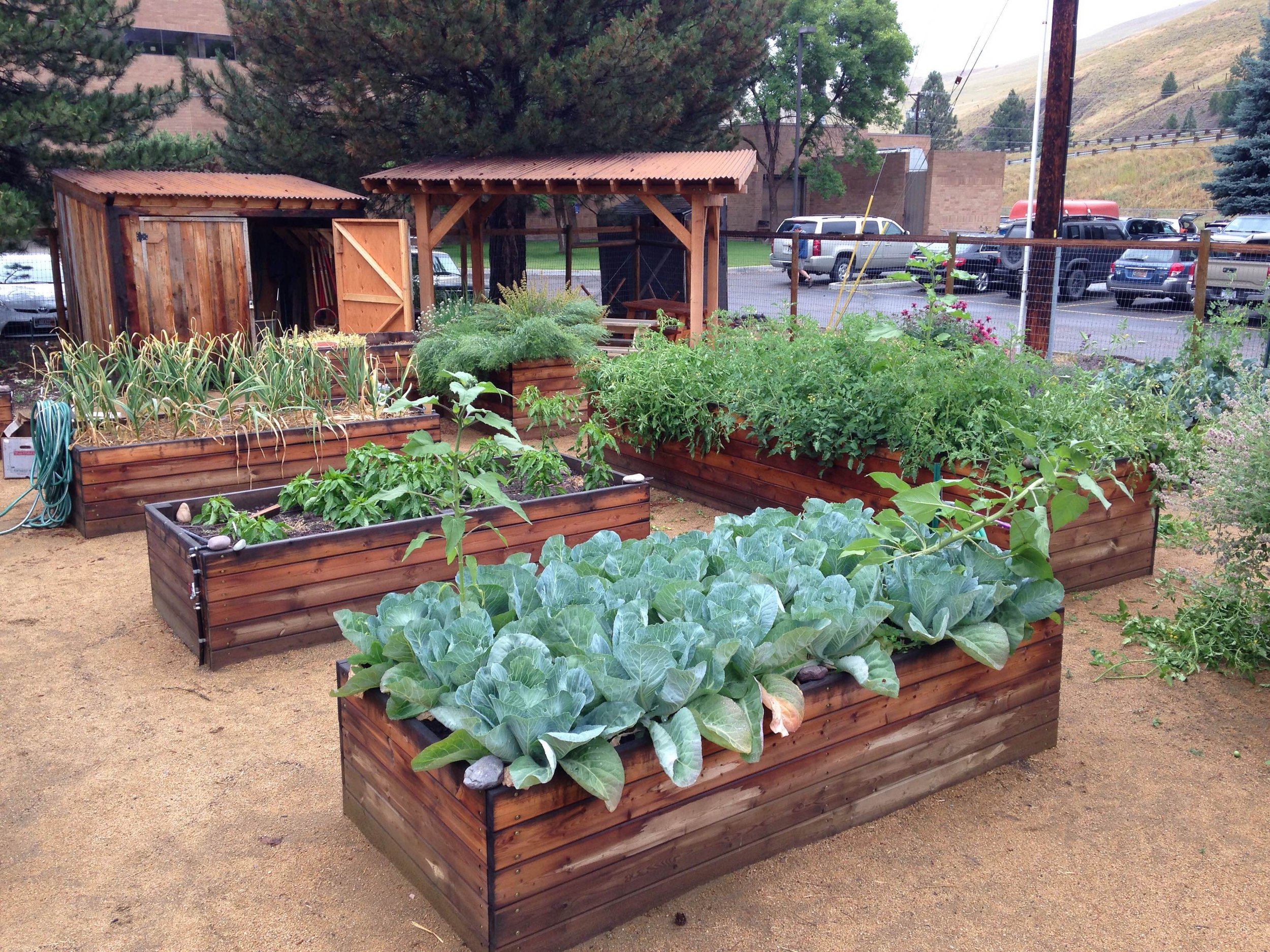
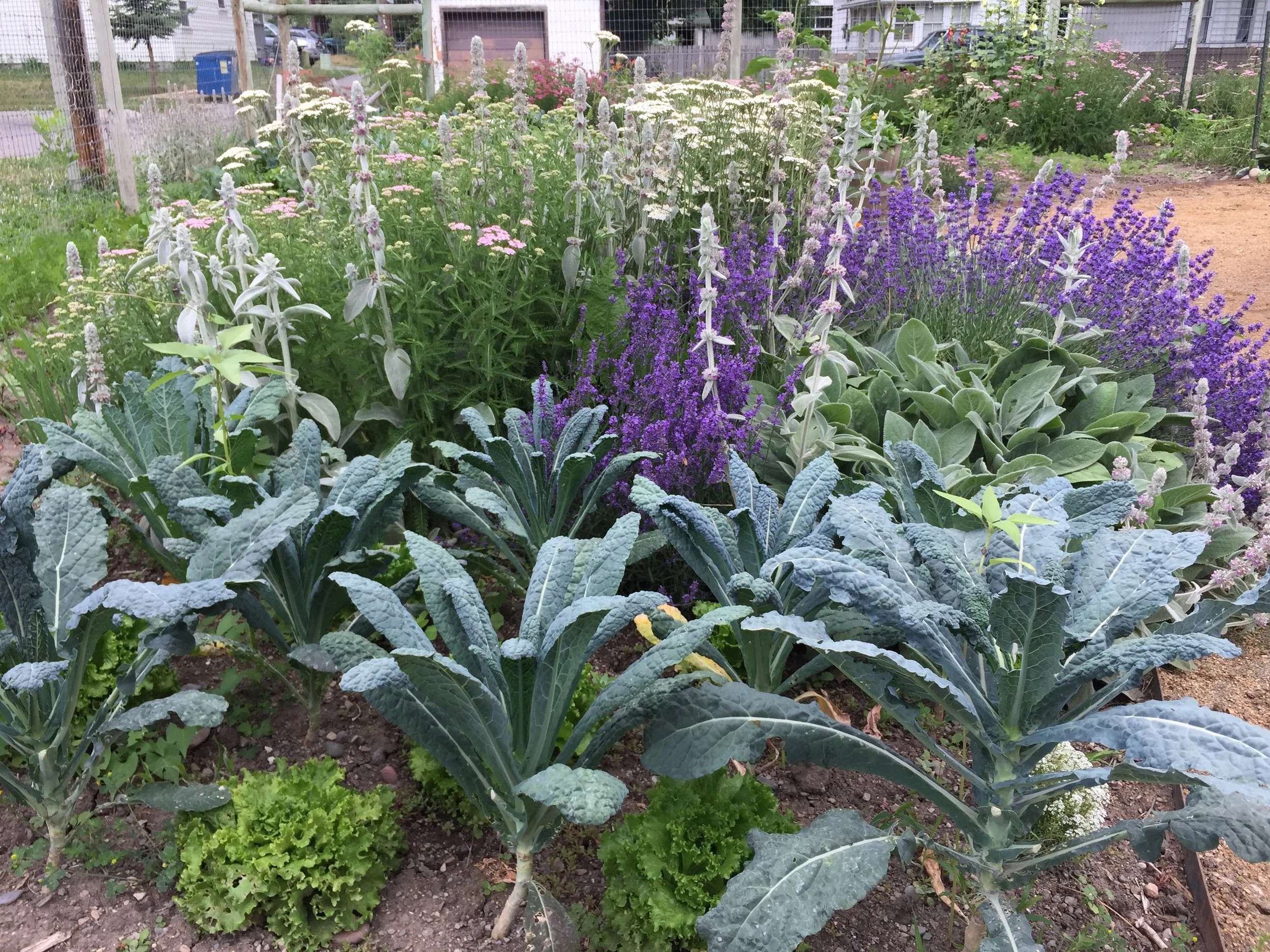
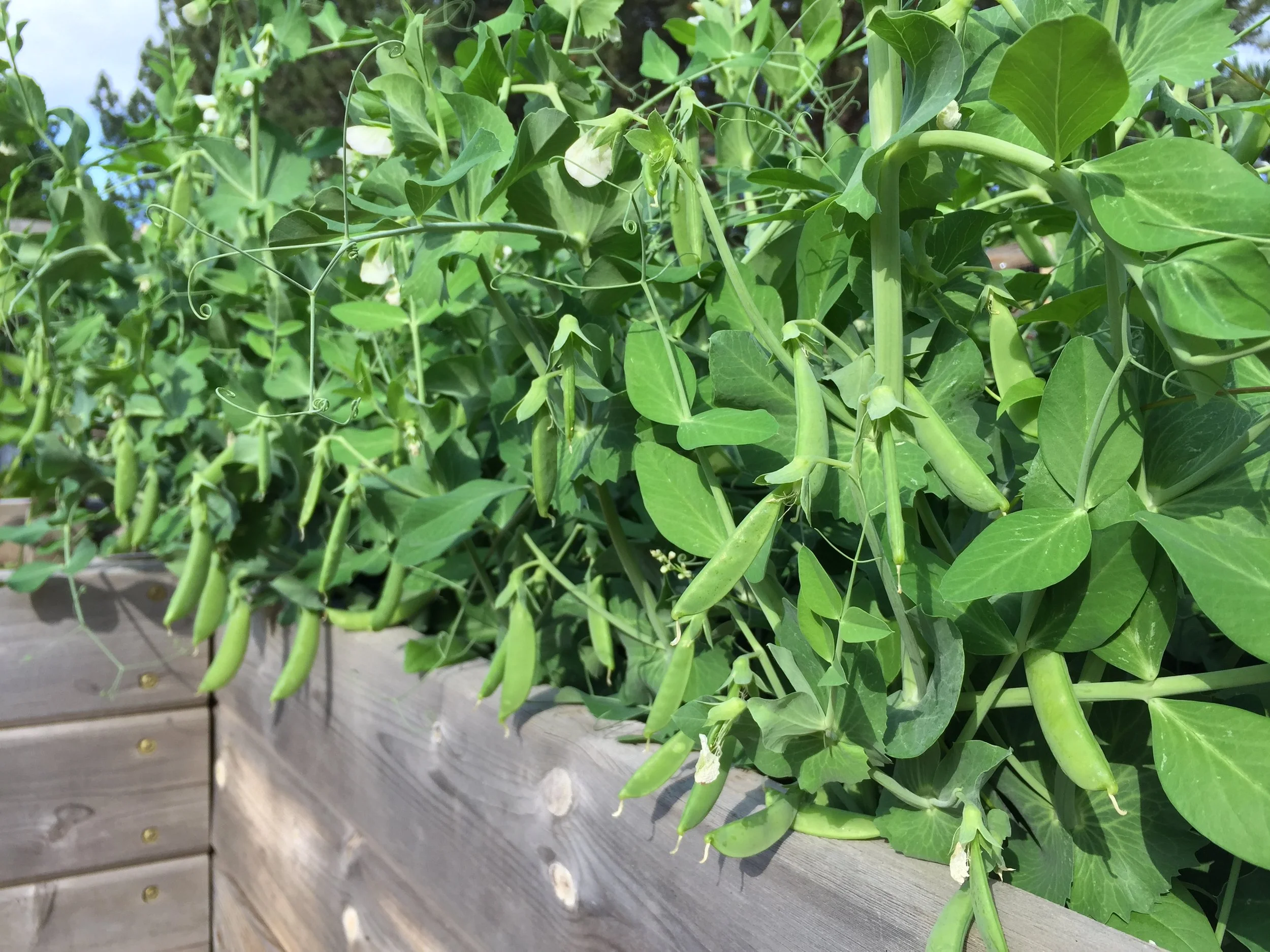
On flyers and pamphlets, we talk about having twelve community gardens throughout Missoula. While technically true, eleven of them consist of plots available to rent to anyone in the community. Our twelfth garden — the Providence Garden — is different. It has no rental plots. Instead, it's grown and harvested by staff and volunteer groups, and cultivated with the intention of being a healing place.
The Providence Garden has earned its own corner of the Real Dirt Blog. There are posts about the perennial herb patch, its full history, and gardening how-tos demonstrated right there in the garden — from bed prep to planting onions. If you search "providence" in the Real Dirt search bar, you’ll find a wealth of information.
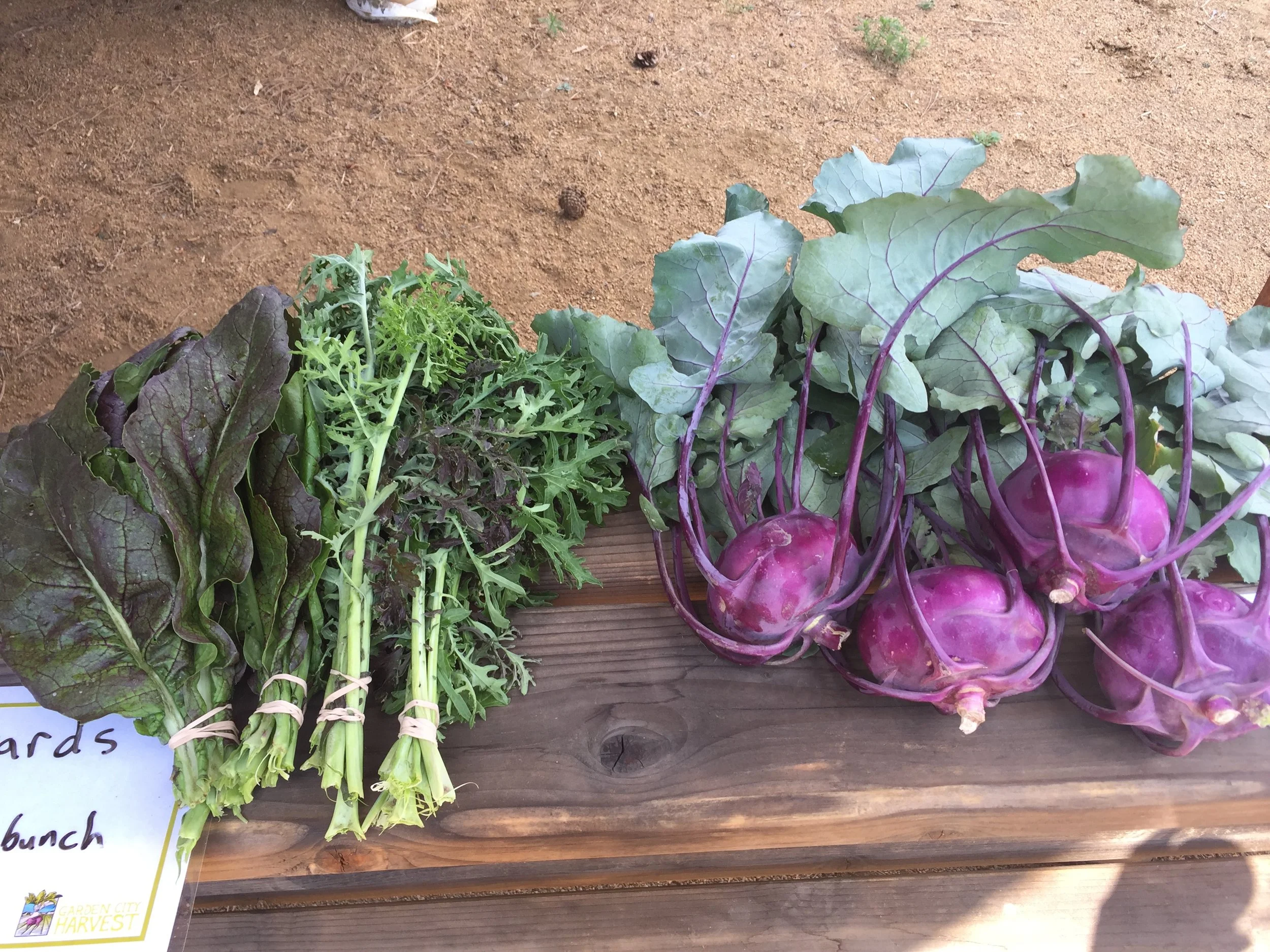
For the past few seasons, the community gardens staff has spent Wednesday mornings at the Providence Garden, and volunteers are always welcome to join us. I've been teased for the way I croon, "Prrrrrrovidence Dayyyyyyy!" each Wednesday — but it really is my favorite part of the week. Everything we harvest gets donated to the Missoula Food Bank and Community Center.
The garden also serves a practical function for our team: it's how we keep a pulse on the growing season. If we notice cold damage on our plants at Providence, we can warn gardeners around Missoula about potential damage to their plants. With over 430 garden plots across the city, we can't have eyes on all of them — so Providence gives us a way to track the lovely little inconsistencies of a Missoula spring.
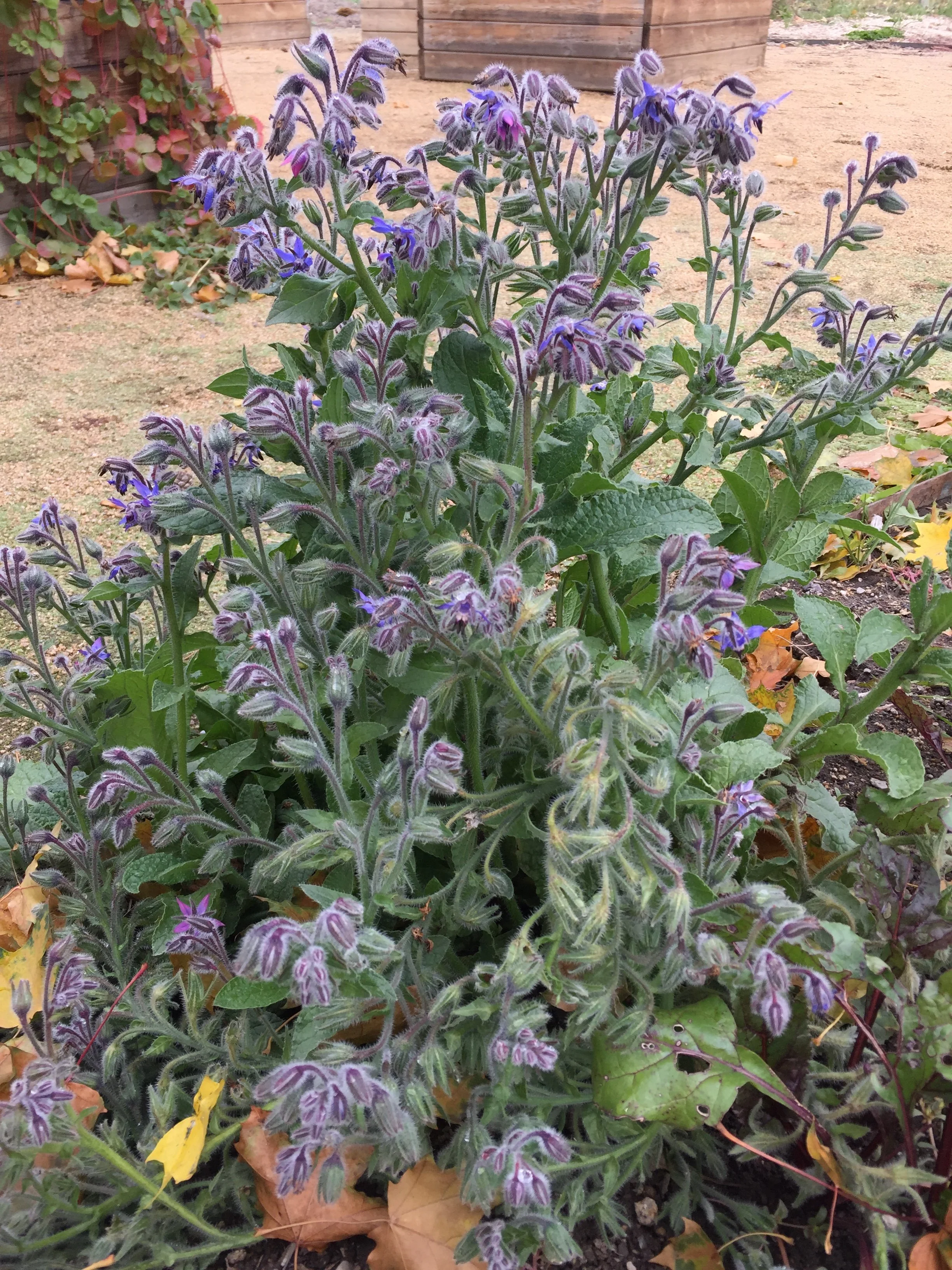
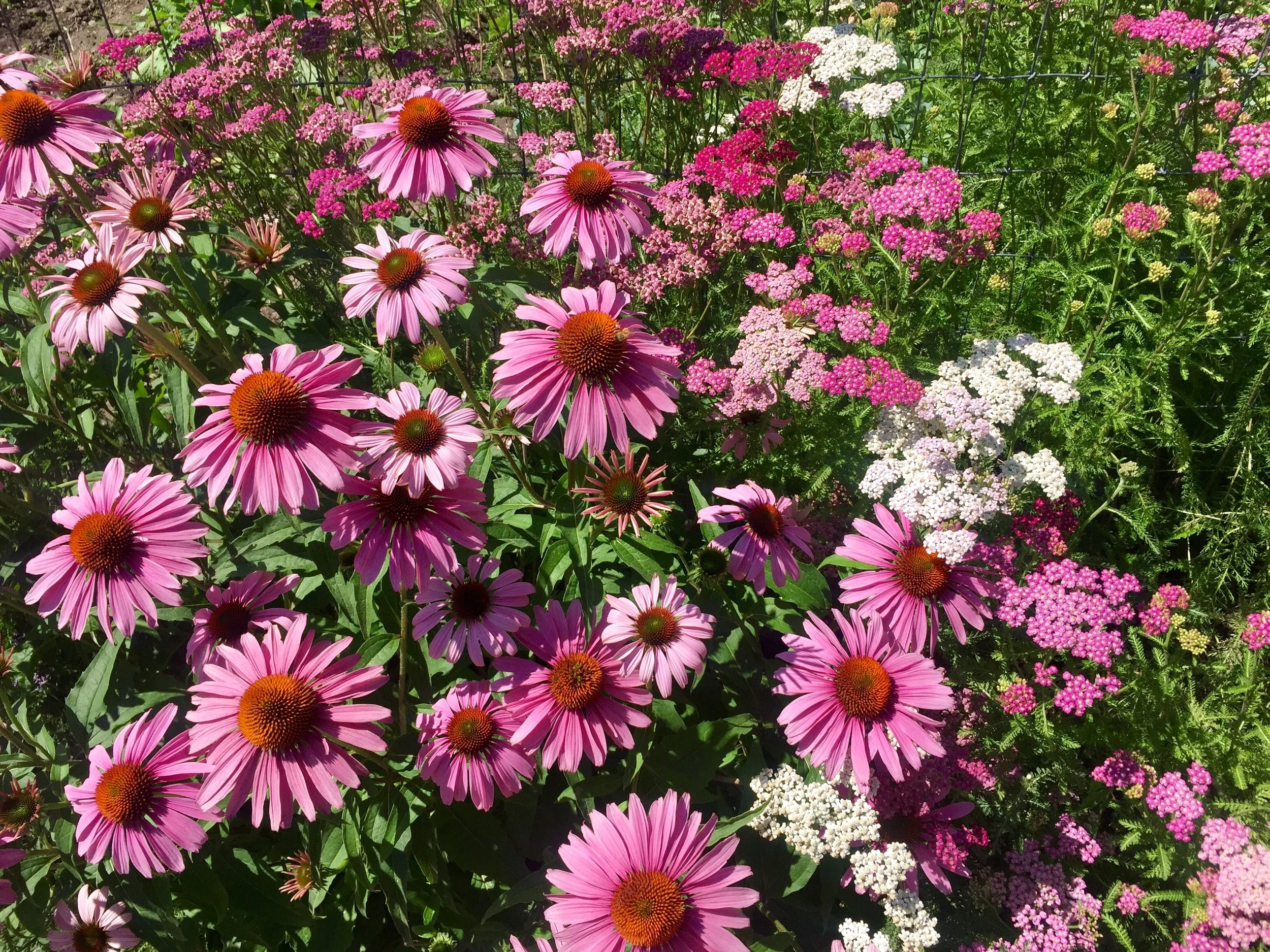
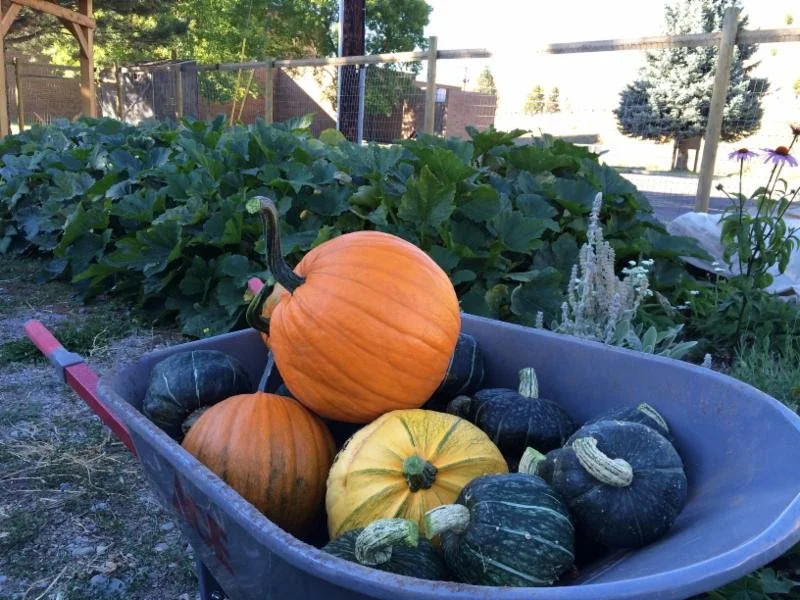
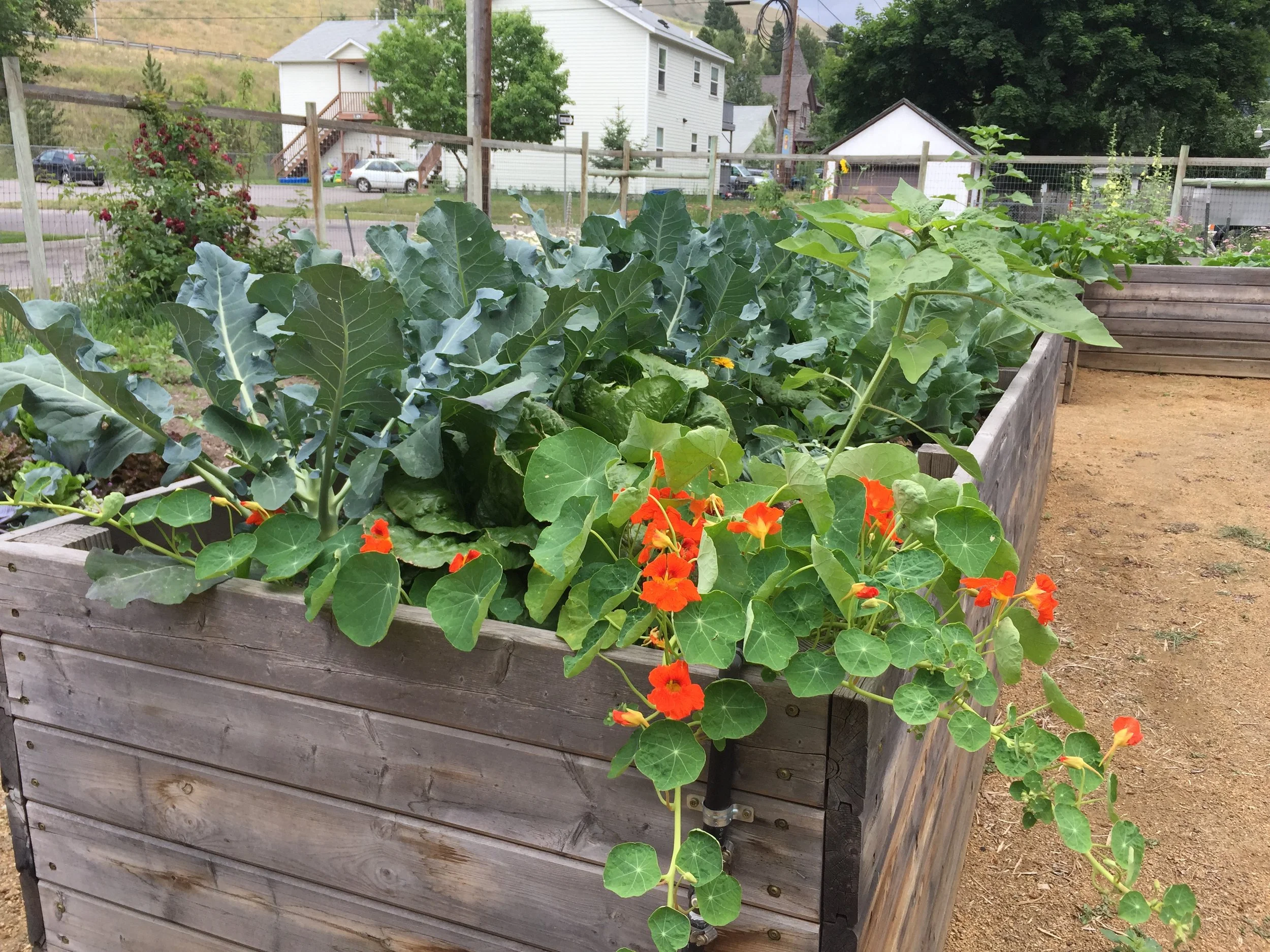
But the Providence Garden isn't just a place to grow food. It's where hospital staff step outside for some sun on a lunch break, where volunteers come to learn, where someone might grab a cherry tomato straight off the vine. It engages all five senses and asks nothing in return. By every measure Ray Oldenburg laid out, it's a third space — and personally, it's my favorite one in Missoula.
If you’re interested in joining us during our weekly Providence Day, please reach out to our community gardens staff. Or, if you’re in the area, swing by and take a meandering walk through our growing garden beds. I hope to see you there!