
Grow and Eat the Top Three Nutrient-Dense Vegetables
This blog post was written by Lauren Haynes, who was an intern with Garden City Harvest in 2024 through Montana State University’s dietetic internship program which has an emphasis on sustainable food systems. Lauren is passionate about local food and the connection between environmental and human health and will bring this to her practice as a future registered dietitian!
Wondering what can you grow in a garden plot or in a windowsill that will give you the highest nutritional value? In this blog post, we discuss three vegetables that are the highest in vitamins, minerals, and other nutrients, and generally low in calories. And they can grow in Montana! Let’s dive in.
Watercress or Cress
Did you know that this is one of the oldest known leafy greens consumed by humans? Watercress or cress may not be very well known or consumed as it is often not found in your regular grocery store, but I have seen some seed packets locally in Missoula. Watercress is a semi-aquatic perennial, while “upland cress” or “garden cress” grows on land. They are different plants with different plant genuses, but they are both in the same cruciferous vegetable plant family as kale, broccoli, and Brussels sprouts. They grow rapidly and love sun and water. Both can even be grown in a windowsill box! While watercress has slightly more nutrients, cress is known for being high in folate and seems to be a little easier to find locally.
How to eat:
Mix it in with your sandwiches, salads, and soup! The taste can be described as spicy, a bit bitter, peppery, or tangy. Make sure to harvest the leaves before the plant flowers for the best taste, which is true for all leafy herbs and greens.
One serving of watercress is about 2 cups and packs a nutrient punch! Watercress is high in carotenoids, glucosinolates, polyphenols, vitamin K, and vitamin C. Watercress holds 142% of the daily value (DV) for vitamin K and 32% of the DV for vitamin C per serving!
How to plant:
Plant only 1/8” deep outside after the danger of frost has passed or inside year round. Seed will germinate quickly within a couple days and plants will be ready to harvest when they are 4 - 6 inches tall—the leaves will be about dime-sized.
Nutrient Deep Dive:
Carotenoids, glucosinolates, and polyphenols are all types of phytonutrients. Phytonutrients, also known as phytochemicals, are compounds found in plants that have beneficial effects on human health and help reduce the risk of chronic diseases.
Carotenoids: These are antioxidants and help protect human cells from damage. They may reduce the risk of head and neck cancers, support vision health, and reduce inflammation.
Glucosinolates: Research shows potential cancer-fighting properties and may help support detoxification processes in the body.
Polyphenols: Another antioxidant, this nutrient boosts the immune system. Polyphenols protect against both chronic and acute diseases due to their antioxidant and anti-inflammatory properties.
Vitamin K: This vitamin can help protect against cardiovascular disease and may improve bone and brain health!
Vitamin C: This powerful antioxidant assists in the important role of collagen formation. Your bones, joints, teeth, blood vessels, skin, and eyes will thank you for incorporating this nutrient into your diet. Get some by trying watercress!1-3
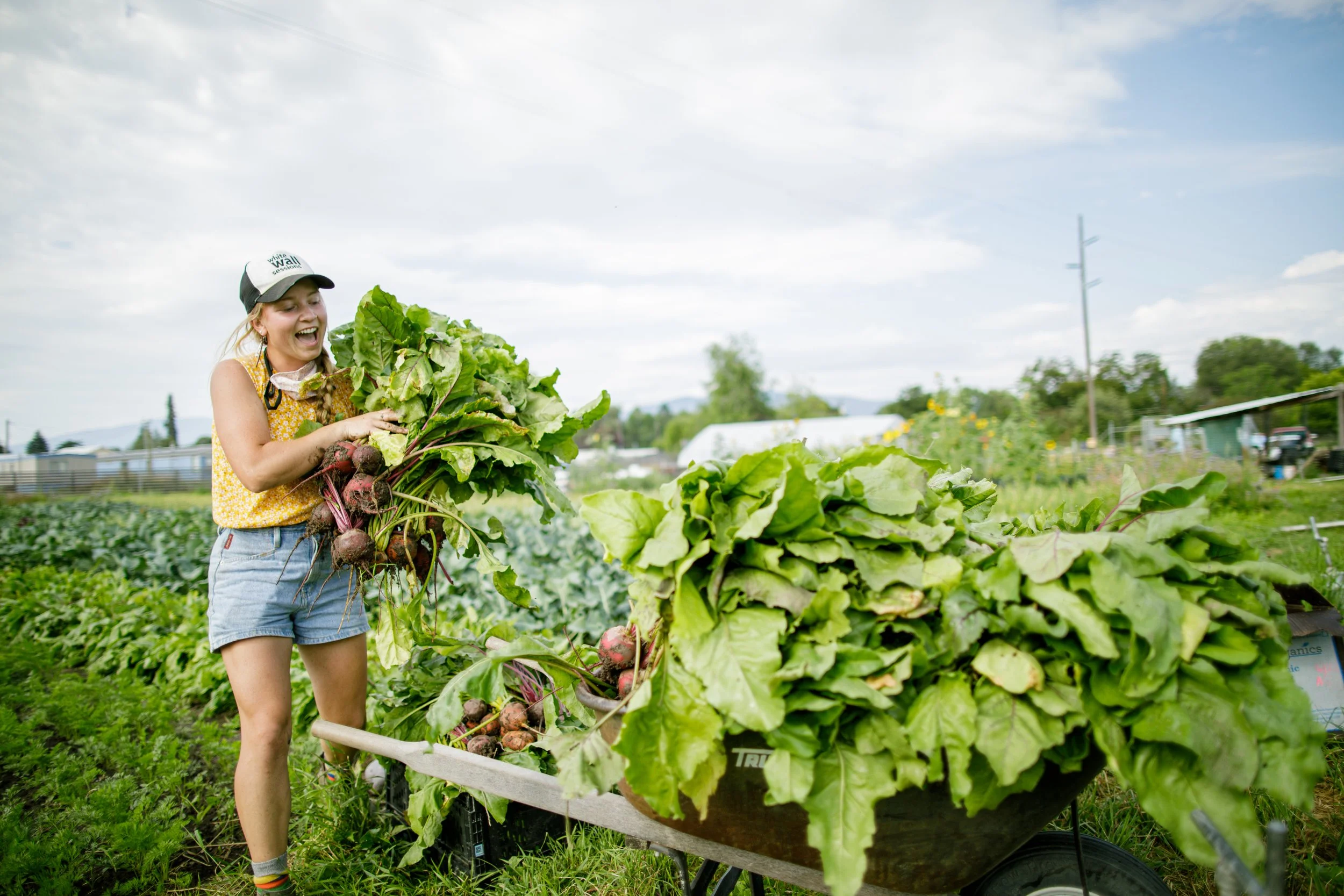
Look at all those nutritious beet greens! Farmer Lizzie harvests an armload of beets next to a wheelbarrow full of beets and overflowing beet greens.
2. Swiss Chard or Beet Greens
Swiss Chard is also known as leaf beet! These two veggies Swiss chard and beets are of the same family and have similar nutrient profiles, so don’t throw out your beet greens! Fun fact: Swiss chard is not native to Switzerland, but was given its scientific name by a Swiss botanist. Chard can come in many colors, like the rainbow -- pink, orange, red, white, and yellow.
How to eat:
Chard can be eaten fresh or sauteed and is often a more palatable green compared to others (e.g. kale) due to it’s mild flavor. The serving size is 2 cups or as a quick measure approximately two closed fist-sized bunches of human hands.
Much like watercress, Swiss chard and beet greens will provide excellent amounts of vitamin K (498% DV!), vitamin C, carotenoids, and polyphenols. Additionally, Swiss chard and beet greens will provide a great source of vitamin A. Vitamin A is essential for vision, reproduction, thyroid health, and immunity.
Important Health Note: Swiss Chard and beet greens are high in oxalates. Cooking these will reduce the oxalate load, but please consult your doctor if you have a history of kidney stones or decreased kidney function.3,4
How to plant:
For both beets and chard, it is recommended to sow seeds outside as soon as the soil can be worked. Plant seeds 1/2 inch deep in rows about 18 inches apart. Make sure to thin baby plants according to the directions for the specific variety you plant.
3. Garlic
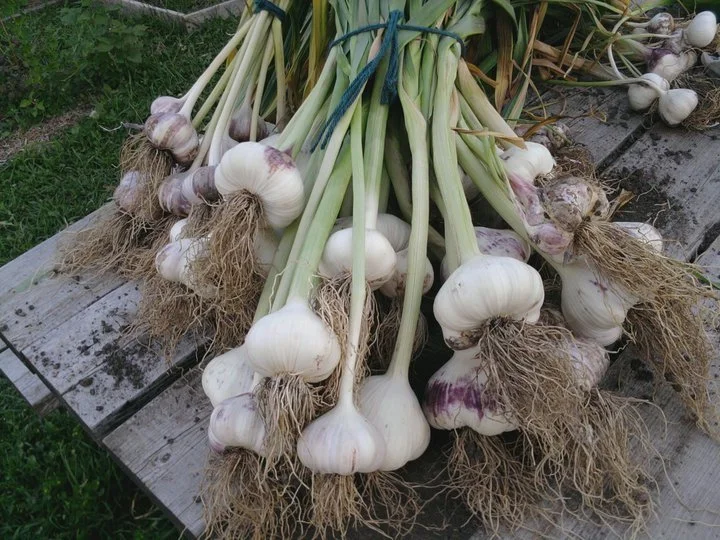
A member of the Allium family garlic has been used for over 7,000 years! This plant can grow almost anywhere and even as far north as Alaska! Garlic is a wonderful source of thiosulfinate. Thiosulfinates are the compounds that give garlic a pungent flavor.
How to eat:
One serving of garlic, which is about 1 tablespoon, will give you over 50% of the daily value of thiosulfinate. Thiosulfinate is a phytonutrient that provides so many beneficial effects for the human body. This includes anti-cancer and anti-inflammatory properties.5 Use garlic to add to any vegetable dish to make it extra flavorful and nutrient-dense! Also, it may help keep the vampires at bay!
How to plant:
Unlike most garden vegetables that are planted in the spring, garlic is planted in the fall. Garlic then overwinters in the soil and is one of the first plants to pop up in the spring. Harvest time is usually mid July. Learn more by reading this blog post: Growing Big Bountiful Garlic.
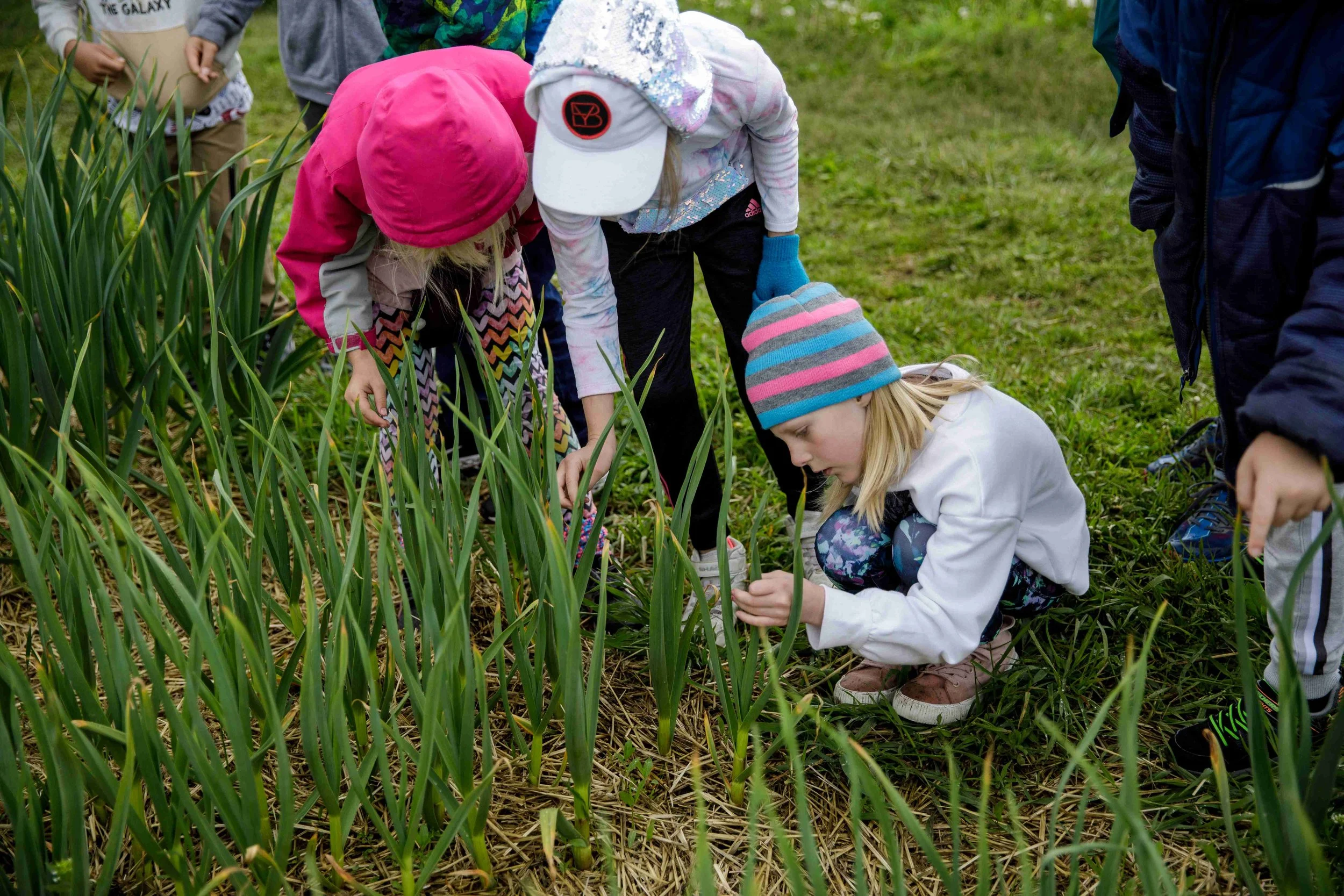
A group of elementary school kids in hats and jackets look closely at the leaf of a garlic plant at the PEAS Farm on a cool spring day.
References:
The ultimate guide to growing the best watercress for Montana gardens. How to grow. Accessed April 24, 2024. https://how-to-grow.org/sp/v/watercress-in-montana
Watercress nutrients. Nutrivore. Accessed April 24, 2024. https://nutrivore.com/foods/watercress-nutrients/
SciTechDaily.com. The 5 most nutrient-dense vegetables based on science. SciTechDaily. September 2022. https://scitechdaily.com/the-5-most-nutrient-dense-vegetables-based-on-science/
Swiss chard nutrients. Nutrivore. Accessed April 26, 2024. https://nutrivore.com/foods/swiss-chard-nutrients/
Garlic nutrients. Nutrivore. Accessed April 26, 2024. https://nutrivore.com/foods/garlic-nutrients/