
East Missoula Community Garden Orientation
Hello and welcome to the East Missoula Community Garden!
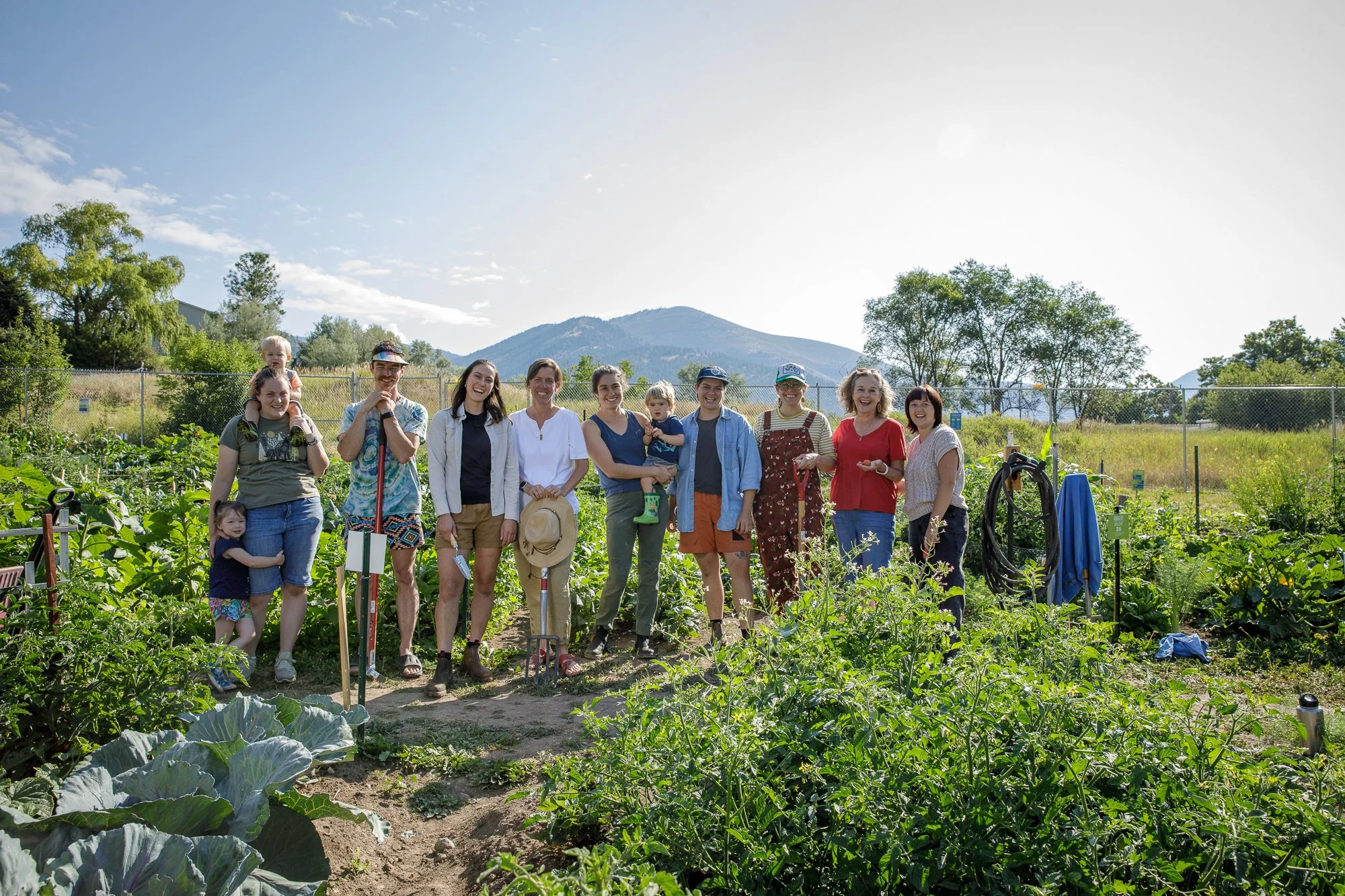
This garden is the newest addition to the Garden City Harvest spaces. Its first growing season was 2025. This garden features raised beds, communal raspberry, currant, and squash patches, and a native pollinator garden. (For more information on the other 11 community gardens, click here.)
This orientation should provide you with everything you’ll need to know about the East Missoula Community Garden.
Garden Gate
The East Missoula garden is surrounded by a fence with locked entrances. There is an entrance on both the western and southern side of the garden. The large vehicle gate on the east side of the garden is for Garden City Harvest staff only. That gate has a different code to unlock. You will have received the code to unlock these doors in your welcome email. The same code for the entry gates can be used to unlock the tool shed inside the garden.
Some notes about parking. Please do not park your car on Speedway Avenue as that is managed by a private property company. Instead, park in either the Mount Jumbo School parking lot or the East Missoula Lions Park lot. The access road on the East side of the garden is not for gardener use. That hill is too steep to be an accessible road. From the park and school lot it is a short walk across the lawn to the garden.
The gate surrounding the garden has a solar powered electrified line running across the top of it. This is an extra measure to protect the space against bears if they come down into the valley. It is not a gardener’s responsibility to turn this wire on and off. In fact, please don’t. Community garden staff are in charge of this.
The Shed
Inside the garden is a shed containing a variety of community tools, wheelbarrows, and hoses. Feel free to use anything in the shed, but remember that the tools are for community garden use only. You cannot take them from the garden to use elsewhere. If a tool breaks or is misplaced, let a Leadership Committee Member or community garden staff know, so that it can be replaced.
The East Missoula garden is equipped with a weed whacker. A great way to volunteer one’s time is to clear out the main pathways of the garden with the weed whacker. Additional fuel and line will be provided when needed.
In addition to finding tools in the shed, there is also information about your Leadership Committee Members, staff, and other useful contacts. A variety of seeds is available for use, as well as helpful information about growing things. There is also a log for filling out volunteer hours or signing up for volunteer tasks. Each garden plot is asked to volunteer three hours of their time to be eligible to return in following seasons.
Remember, all gardeners are required to fill at least three service hours helping to maintain the greater community garden and communal areas.
Orientation of garden plots
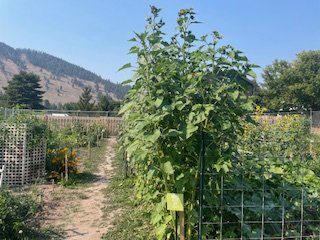
This garden has two main pathways, separating three rows of plots. In these rows, the plots back up right onto each other. Some gardeners have chosen to carve out a bit of a border in there plot to create a pathway between themselves and their neighbors.
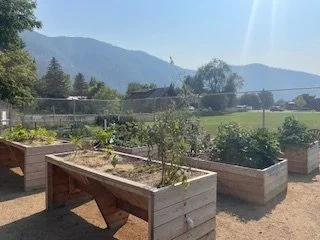
There are also eight raised beds of varying height, two of which are “wheel under” beds, allowing wheelchairs to roll slightly under them. As of right now, the garden does not have a paved pathway/sidewalk into the garden.

Soil amendments
Compost
This garden uses a “house” compost system. That means that it’s fit for kitchen and garden scraps, but is not able to break down compostable packaging, paper bags, or large, woody and stalky items. DO NOT ADD WEEDS, FIBROUS PLANT STALKS, ANIMAL PRODUCTS, PAPER PRODUCTS, TRASH OR COMMERCIAL-GRADE COMPOSTABLE ITEMS. These items will not break down in our simple bin system.
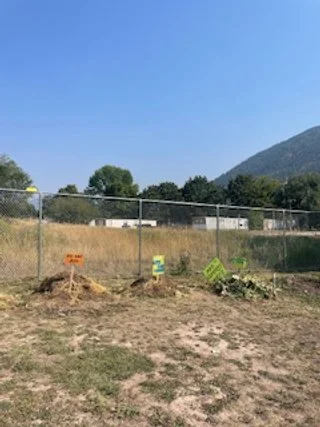
All inputs start at the farthest left pile and are turned (moved with a digging fork or shovel) to the next pile as they break down to make room for fresh scraps! The decomposed compost in the farthest right bin is good to use in your garden - help yourself! Keep in mind, this compost system doesn’t break down on its own. It requires time, water, and attention. If the compost starts to smell, it either doesn't have enough carbon (straw) or it needs to be turned (which gives it oxygen and reduces the smell). During the hot summer months, the compost needs to be watered frequently (every day or every other day.)
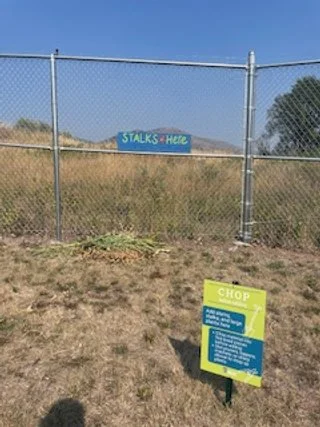
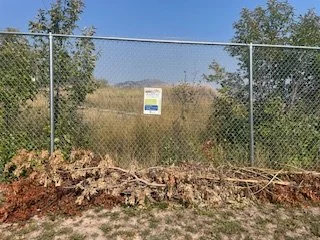
Large stalks like those from sunflowers or corn plants will need to be chopped into smaller pieces before being put in the "weeds and stalks” pile. Alternatively, sunflower stalks can be added to our “habitat pile.” These piles create yearlong spaces for native pollinators, which you can read more about here.
Manure
Garden City Harvest brings in composted manure every spring for community gardeners to help supplement their garden soil. Each garden plot is allotted two 5-gallon buckets of manure each spring. Gardeners are also encouraged to build their own soil by bringing in other amendments as long as it doesn’t contain chemicals, synthetic fertilizers, or bio solids (treated sewage). Check out our Sustainable Growing Guidelines for more information.
Because 2026 will be the second season for the East Missoula Garden, any amendments you add to the soil will be greatly beneficial.
Water in the garden
There are multiple hose bibs throughout the garden. Each plot should have a hose that reaches it. The water at this garden will be turned on by the end of April and turned off in mid-October. This water is from a well and is not potable. Do not fill up your water bottles with these hoses, and plan accordingly.
Most wanted weeds
Weeding is a fundamental part of gardening and should be done weekly. If you keep up with it using a hoop (hula) hoe, it should take no more than an hour a week to keep your plot clear of most weeds. If you choose to weed less often, the task will get exponentially more difficult, and you will be on your hands and knees digging out weeds. Keep your eyes out for notices about weeds throughout the growing season. Watch the video tutorials and look at the photos below for weeding tips, and if you have any questions about weeds, please ask!
While there are many garden weeds, we have three problem plants on the site - quack grass, bindweed, and thistles. A fourth weed, purslane, is common but not as disastrous. All of these weeds should be placed in the weed pile, after you make sure to shake out any clumps of dirt.
Quackgrass
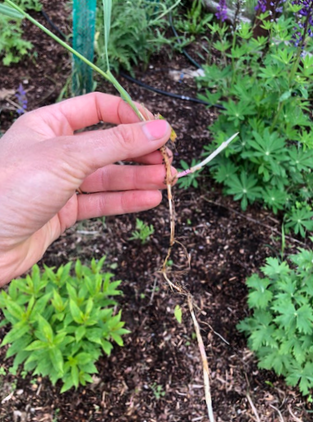
Quackgrass is grass with white, wire like roots and should be added to the weed pile. Make sure you shake out any clumps of dirt first. Use a digging fork to loosen the soil and make it easier to pull out the roots.
Bindweed
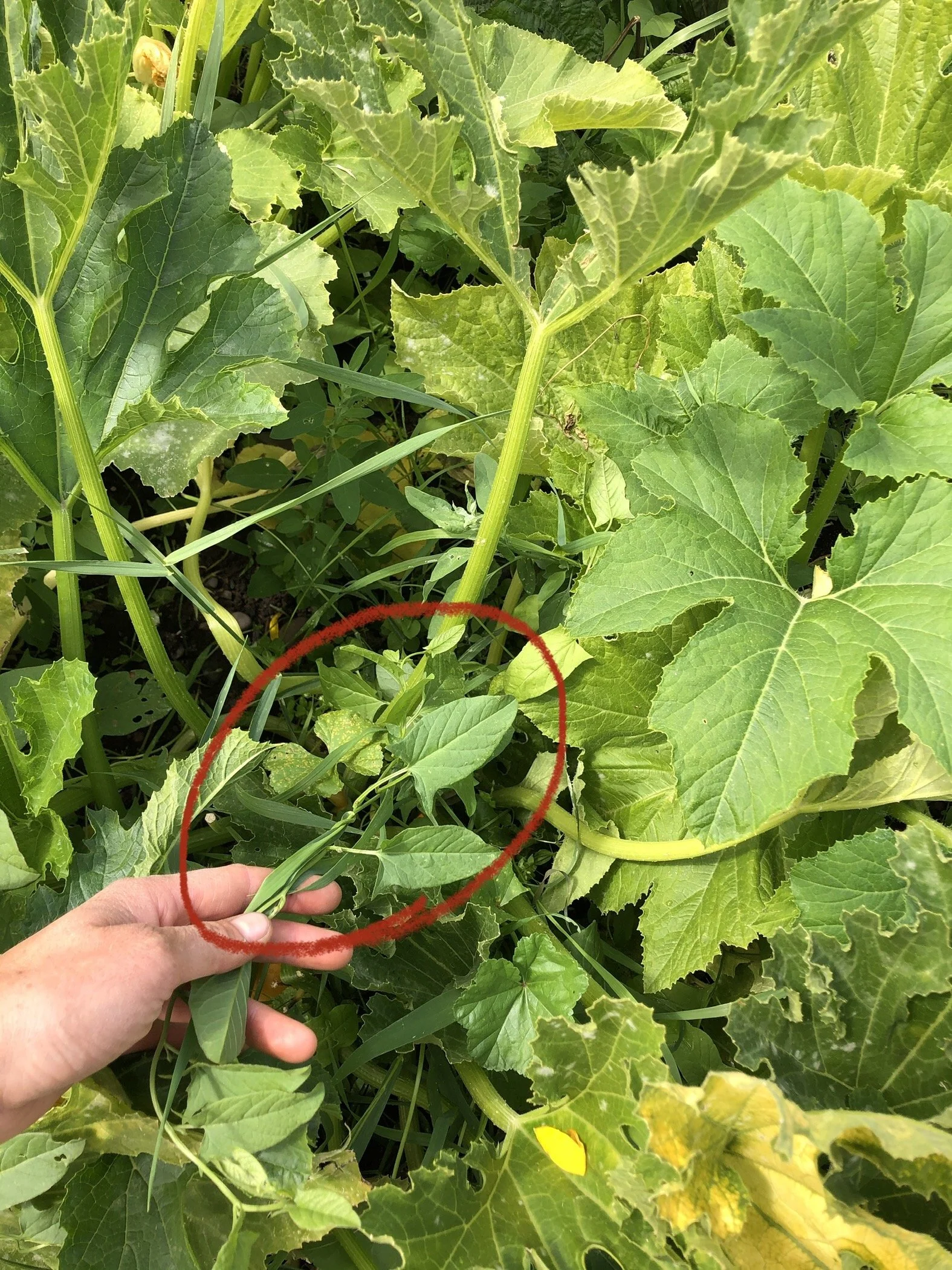
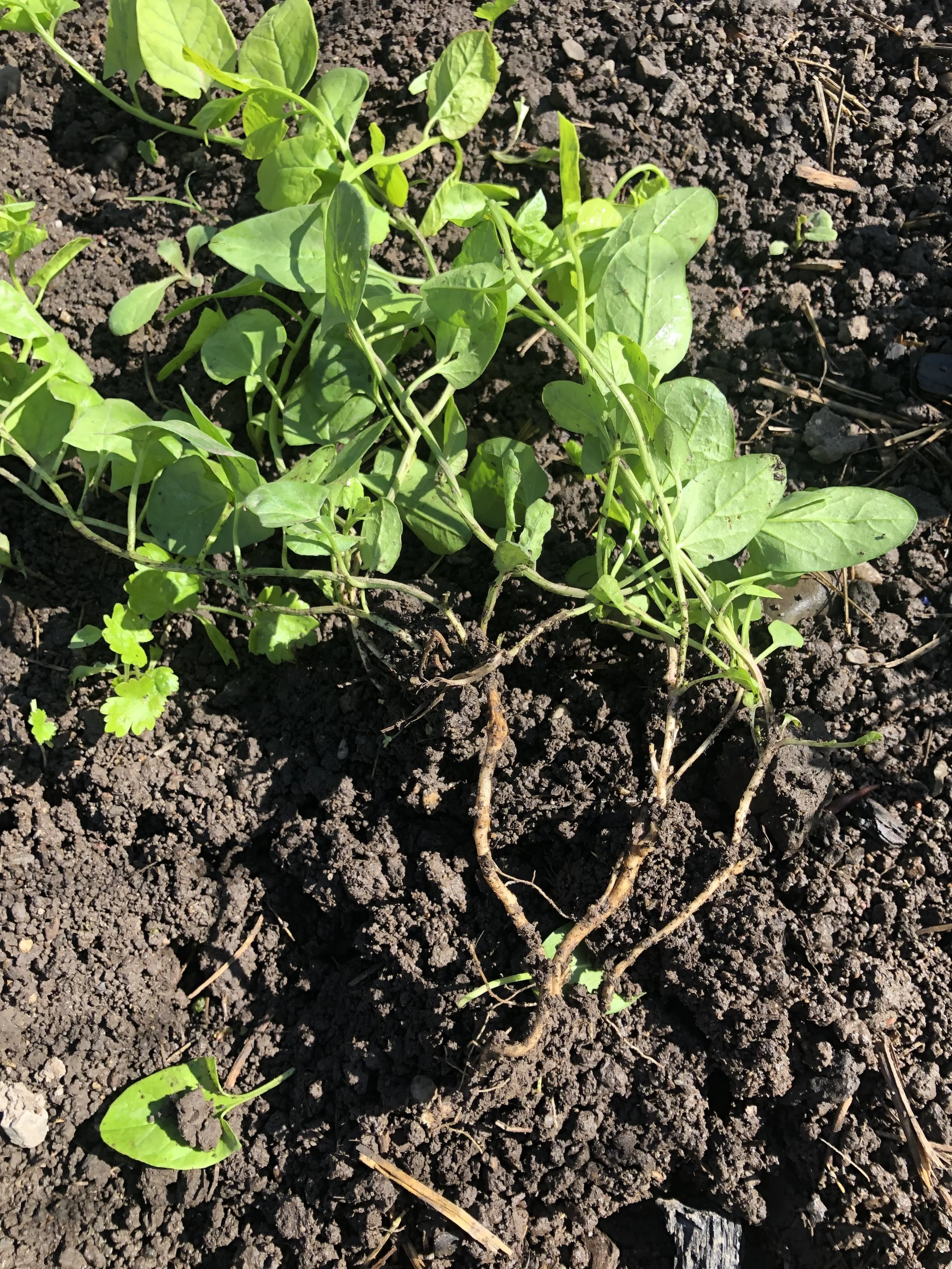
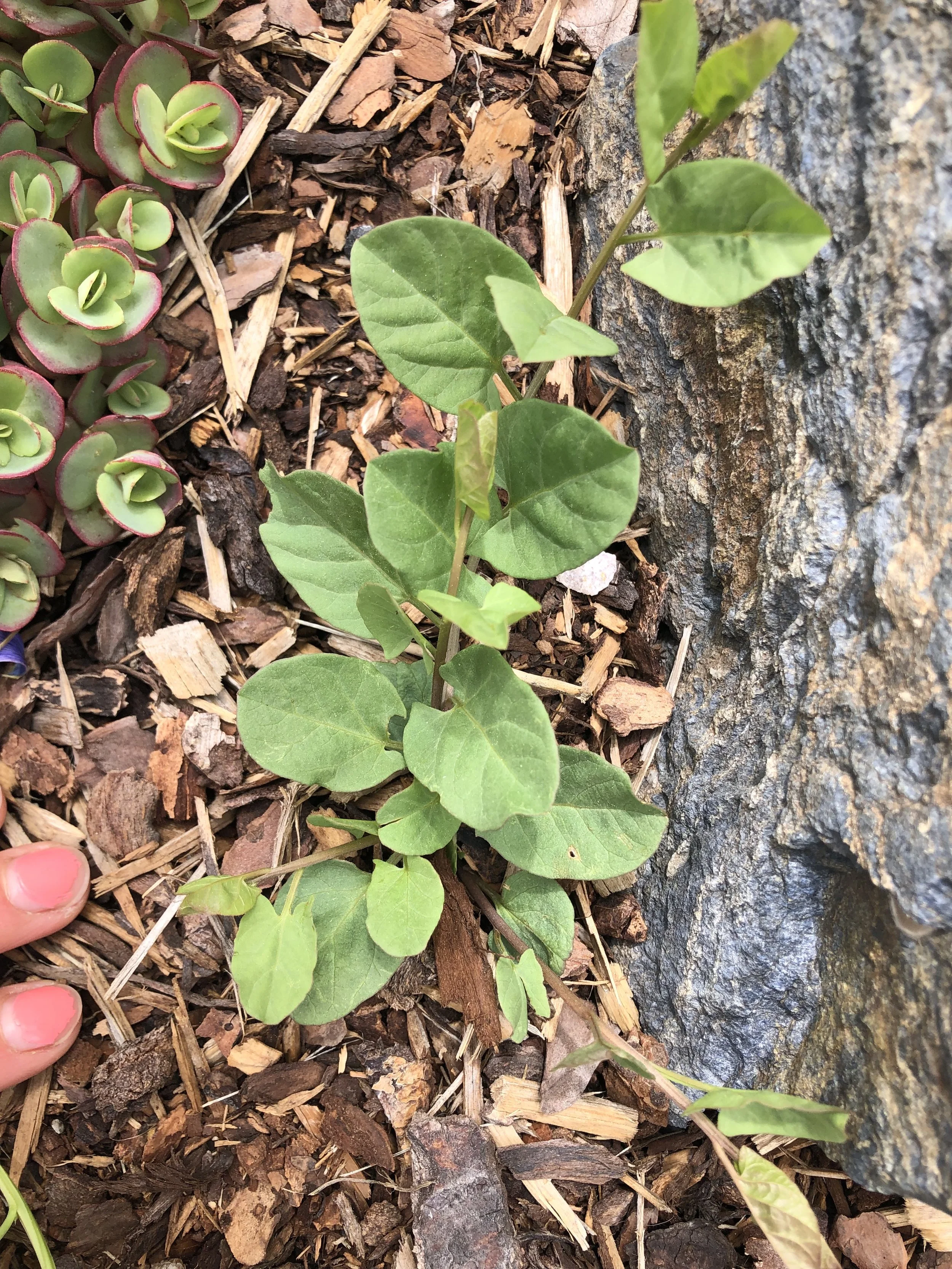
Bindweed is a sneaky perennial. We want you to be able to ID it before it flowers and weed it out. It has arrow-shaped leaves, white or purple/pinkish flowers, and will wrap itself around anything nearby. Put bindweed in the trash can by the tool shed, never the compost. A digging fork or hori-hori is helpful for removing the roots of bindweed. The roots are a darker brown color, and look woodier than the green and white stalks.
Communal spaces
The East Missoula Community Garden has a few communal plots. Feel free to engage with them and snack when they’re ripe — a handful or so, please refrain from relying on our communal plots for large projects like jams and jellies. These plots include a new currant patch, a communal raspberry patch, a native pollinator garden, and a communal squash plot.
We ask that you help maintain the health and space of these berries by watering and weeding occasionally. The time spent maintaining them can go towards your volunteer hours for the communal space.
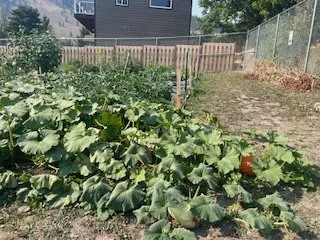
Communal squash plot!