
5 Tips for Camping with Veggies
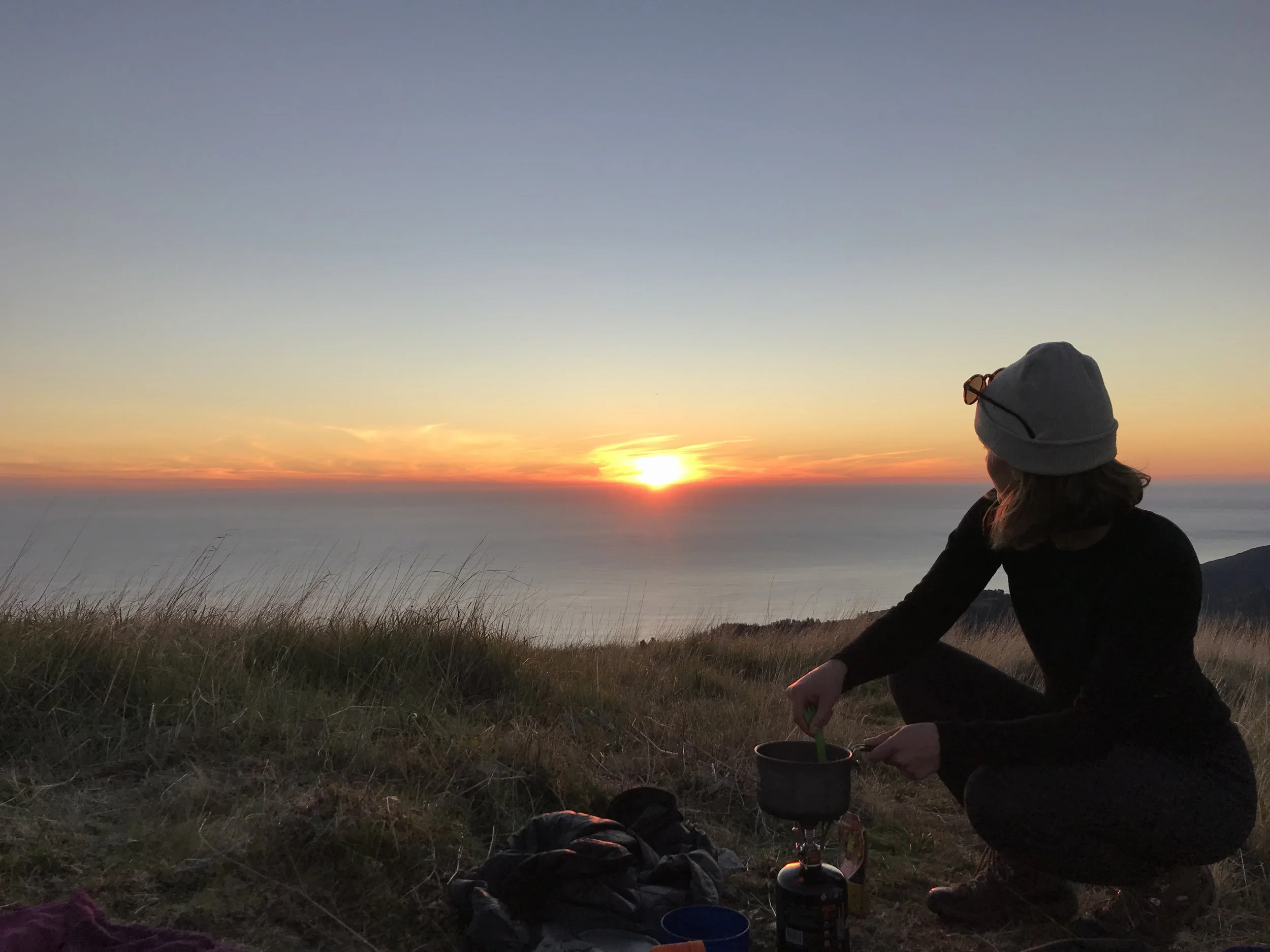
Cooking at sunset on California’s Big Sur coast
It’s summer—you’re heading out for a hike, a weekend in the woods, or maybe even a backcountry trek. But what about those fresh veggies sitting in your fridge? Don’t let them go to waste. Take them with you!
There’s a common misconception that vegetables can’t survive without refrigeration. While some veggies do need a cool environment there are many that will last long even in a sweaty backpack.
From years of working with the conservation corps, leading backcountry trips, and camping in all kinds of weather, I’ve learned this: food is the #1 morale booster. Having food that fuels your body and tastes great is an easy way to stay energized, uplifted, and ready for whatever the day throws at you.
In this post, I’ll share practical tips for camping with fresh veggies—so you can make the most of your harvest and let it fuel your next adventure!
Tip #1:
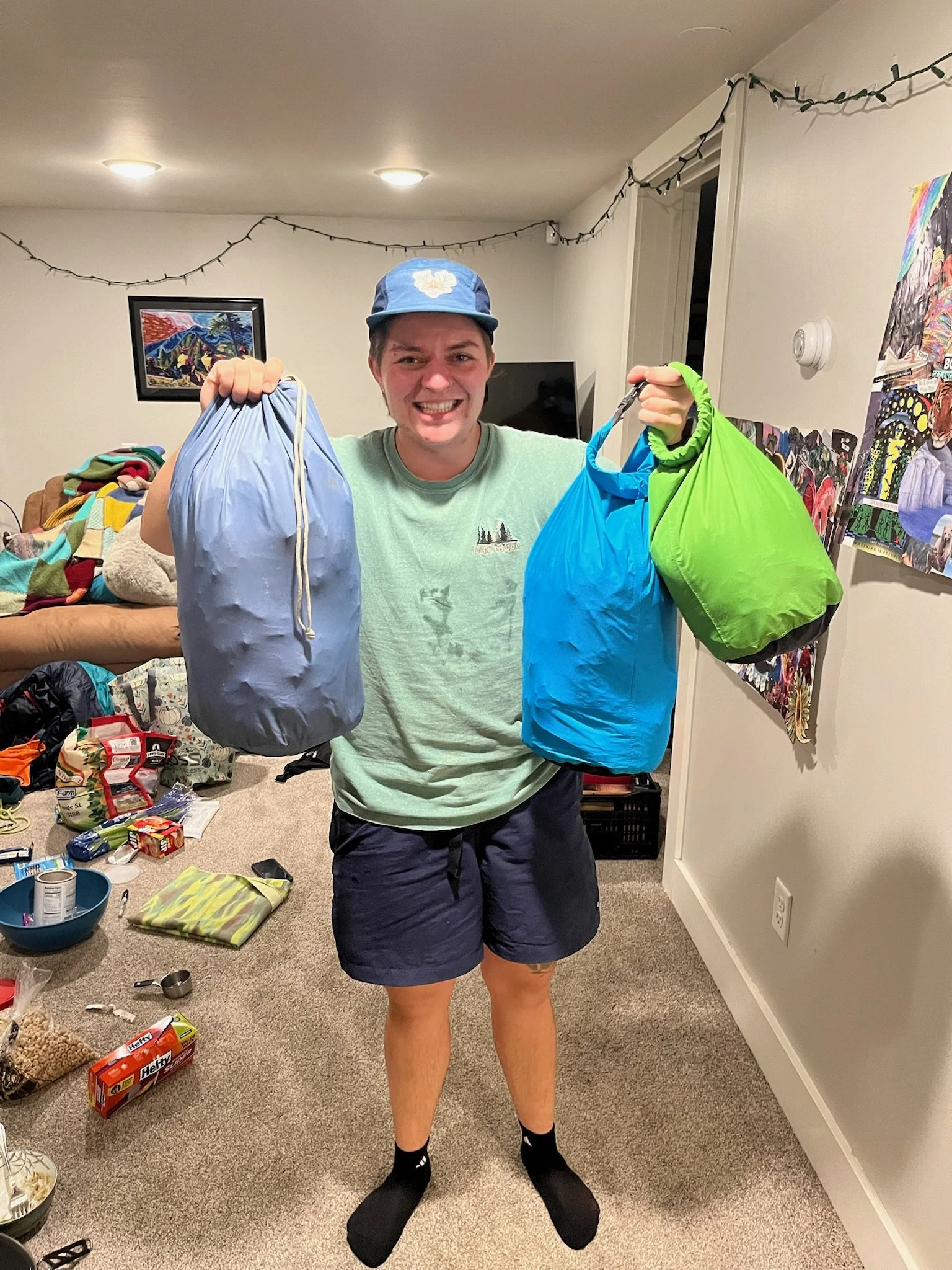
It’s Worth the weight
- Prioritize hydrating and energizing veggies to give your body the nutrients it needs to keep going.
- On longer trips, eat your heaviest meals early — your pack will just get lighter.
- Don’t forget to snack smart! Try celery with peanut butter — tasty, satisfying, and packed with energy.
Tip #2:
Veggies that Keep
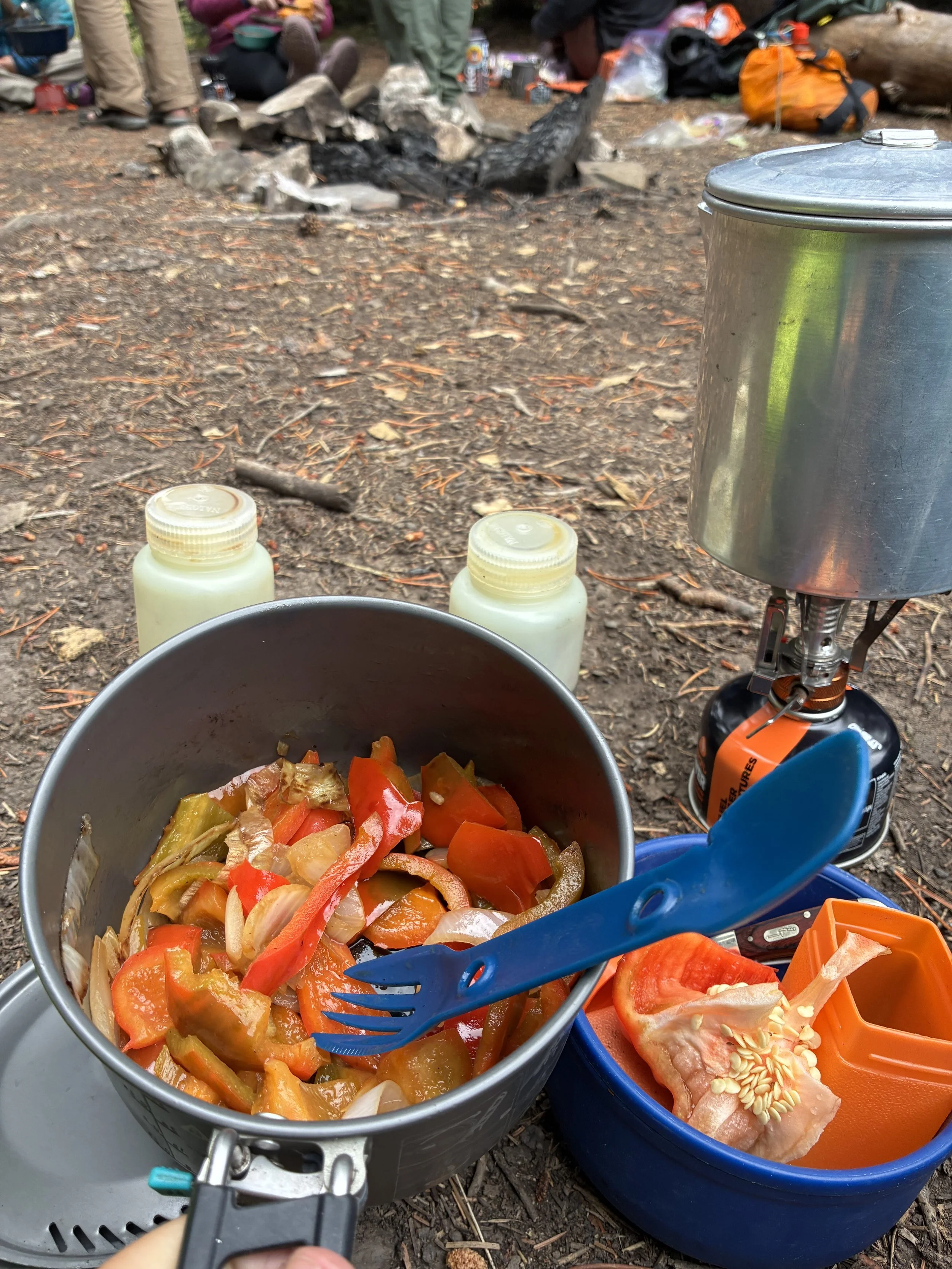
Here are some hardy vegetables that hold up well on the trail
Broccoli
Carrots
Celery
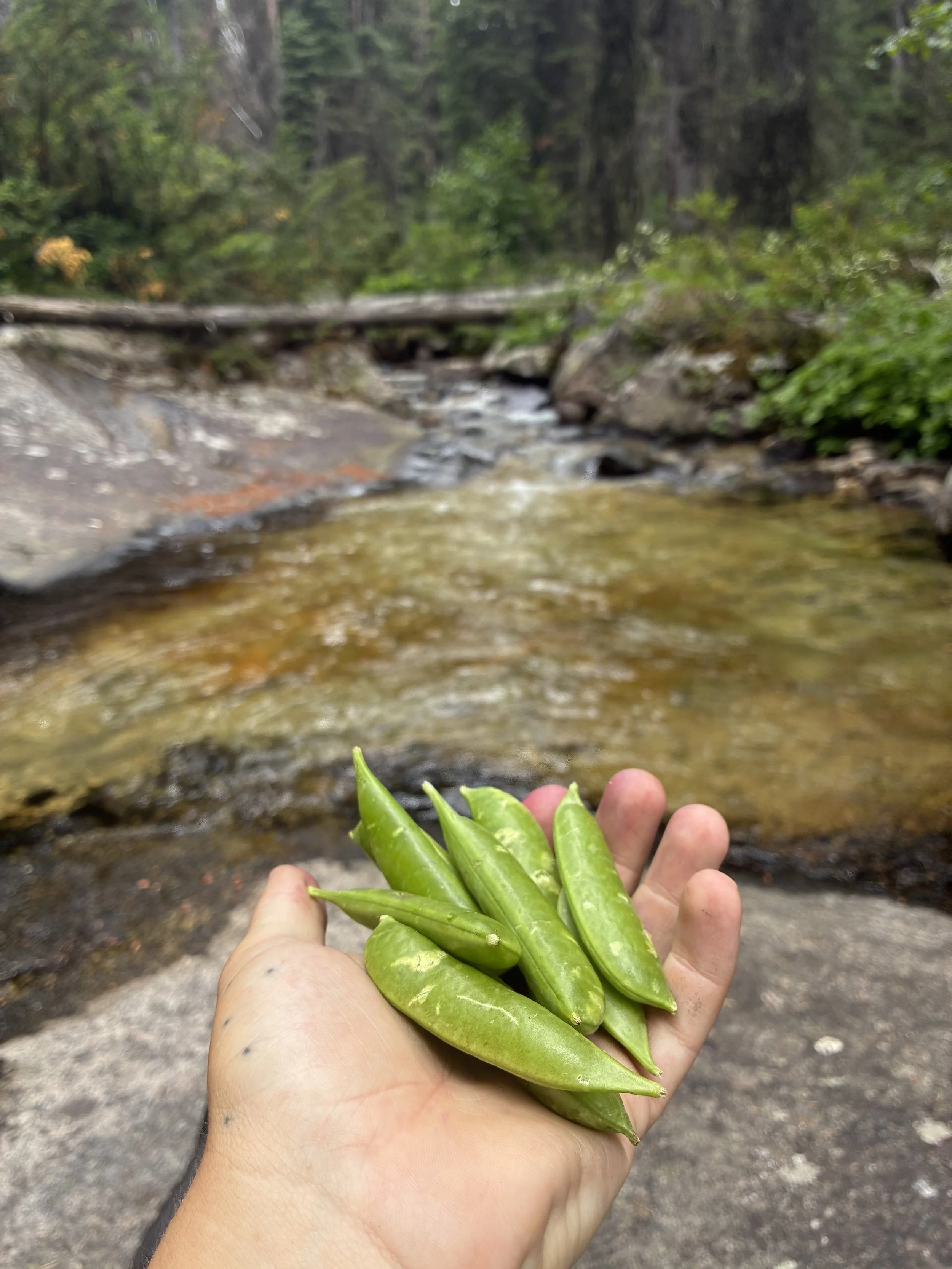
Snap peas
Cabbage
Beets
Turnips
Peppers

Tip #3:
Packing and Storage
- Store veggies in a breathable cloth bag or a zip-top bag, with a paper towel to absorb moisture.
- Keep them inside your pack or in the shade—protected from the sun and heat.
-If you have a cooler, freeze water bottles ahead of time. This keeps things cold longer without leaving a soggy pool at the bottom like loose ice does.
Tip #4:
Savor the Flavor
- Trail food fatigue is real. Instant rice and greens can get boring fast. Flavor is your friend!
- When car camping keep a whole container full of a variety spices
Spice Kit Ideas
Garlic powder – adds depth to almost anything
Italian seasoning – great in pasta, soups, or over veggies
Curry powder – bold, warm flavor for rice, lentils, or stews
Chili flakes – a little heat goes a long way
Lemon pepper – bright and zesty, great on fish or grilled veggies
Everything bagel seasoning – fun addition to wraps, eggs, or avocado
Nutritional yeast – cheesy, umami-rich, and full of B vitamins (great on popcorn or pasta)
Salt & pepper – the classics never fail
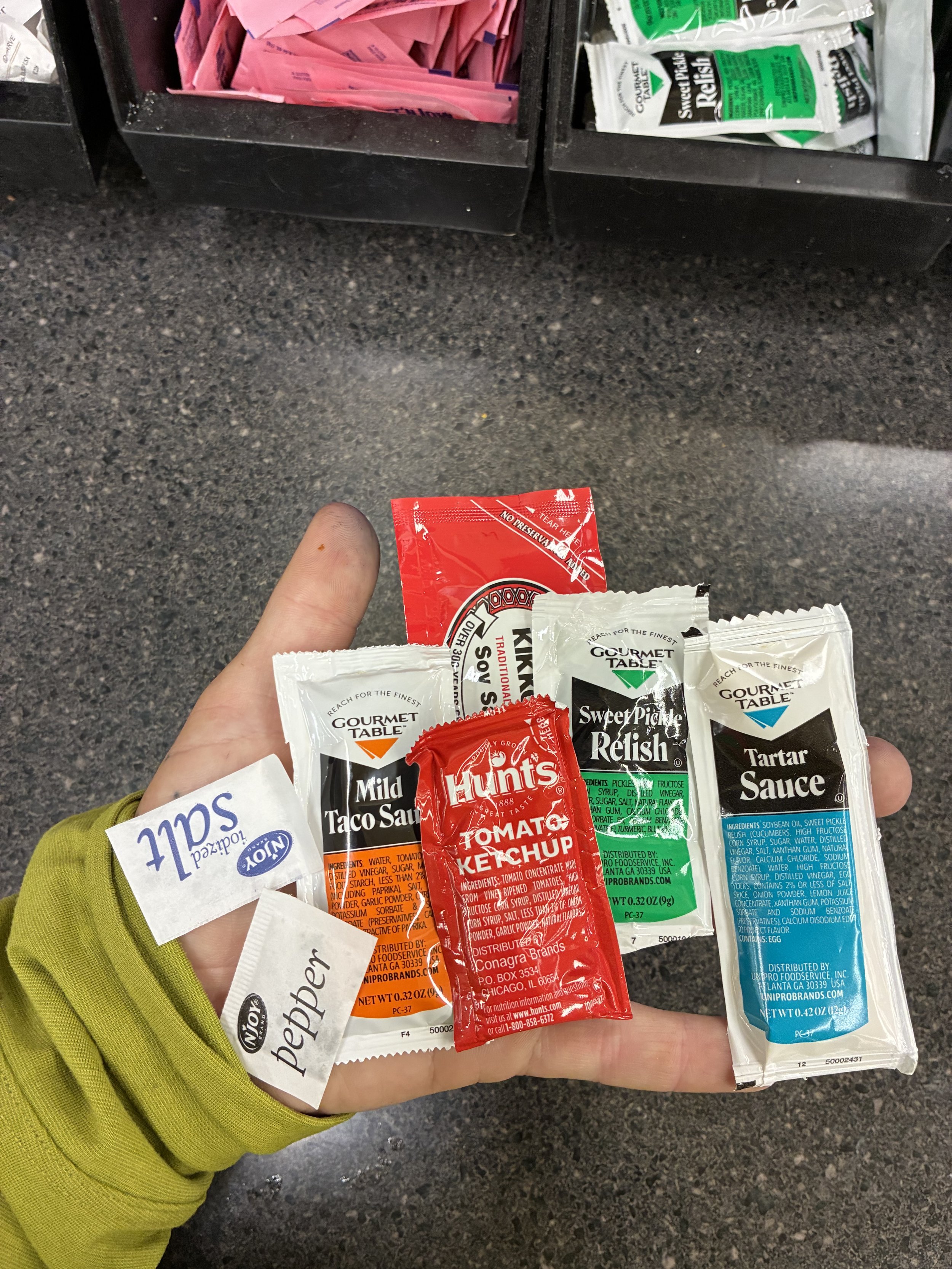
Secret Sauce Stash:
Don’t throw out those extra sauce packets from your takeout, gas station stops, or deli grocery stores!
Toss a few in your food bag—they weigh almost nothing and bring meals to life.
Tip # 5 Dehydrate your veggies
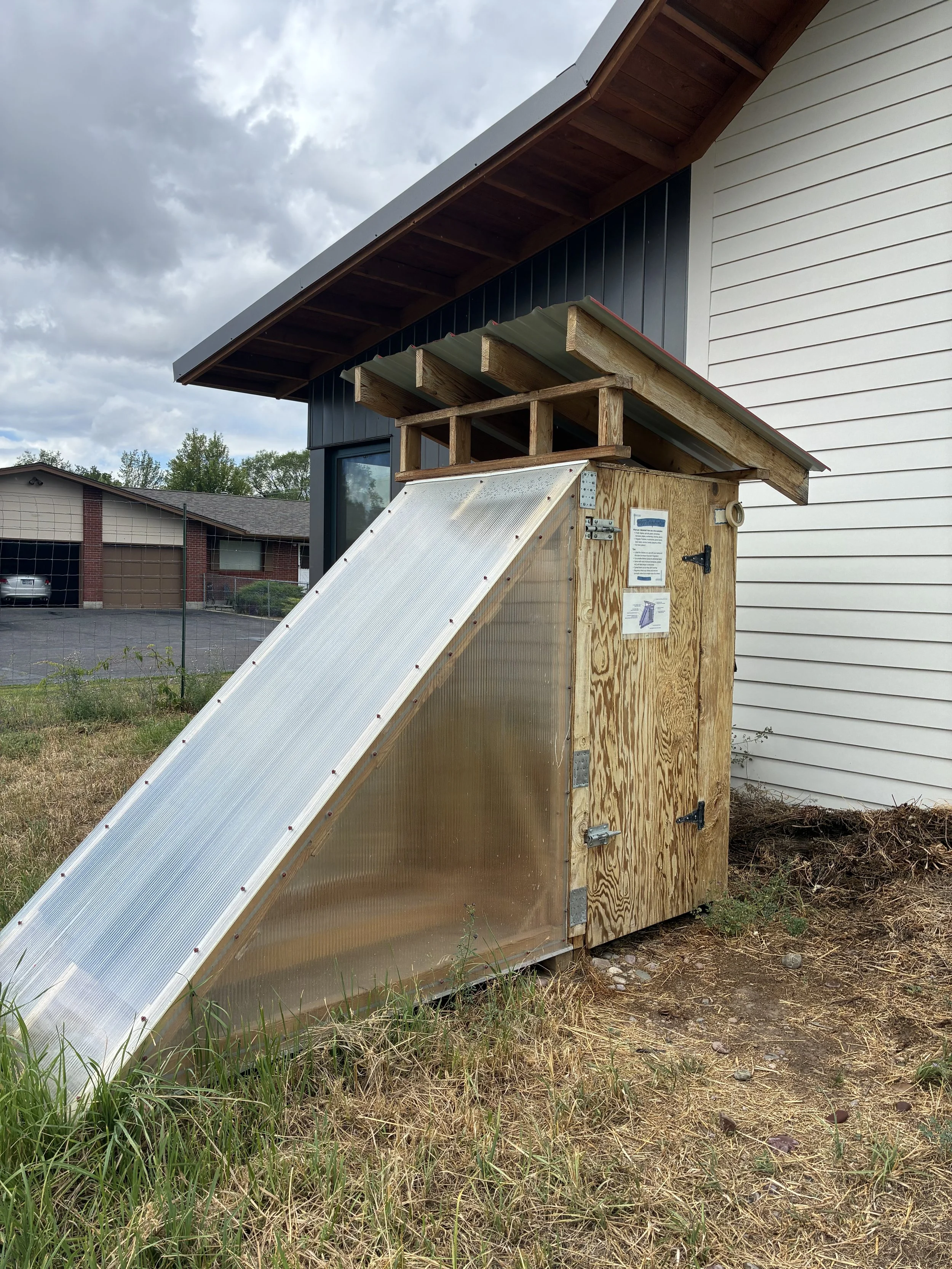
Solor dehydrator at the river road location
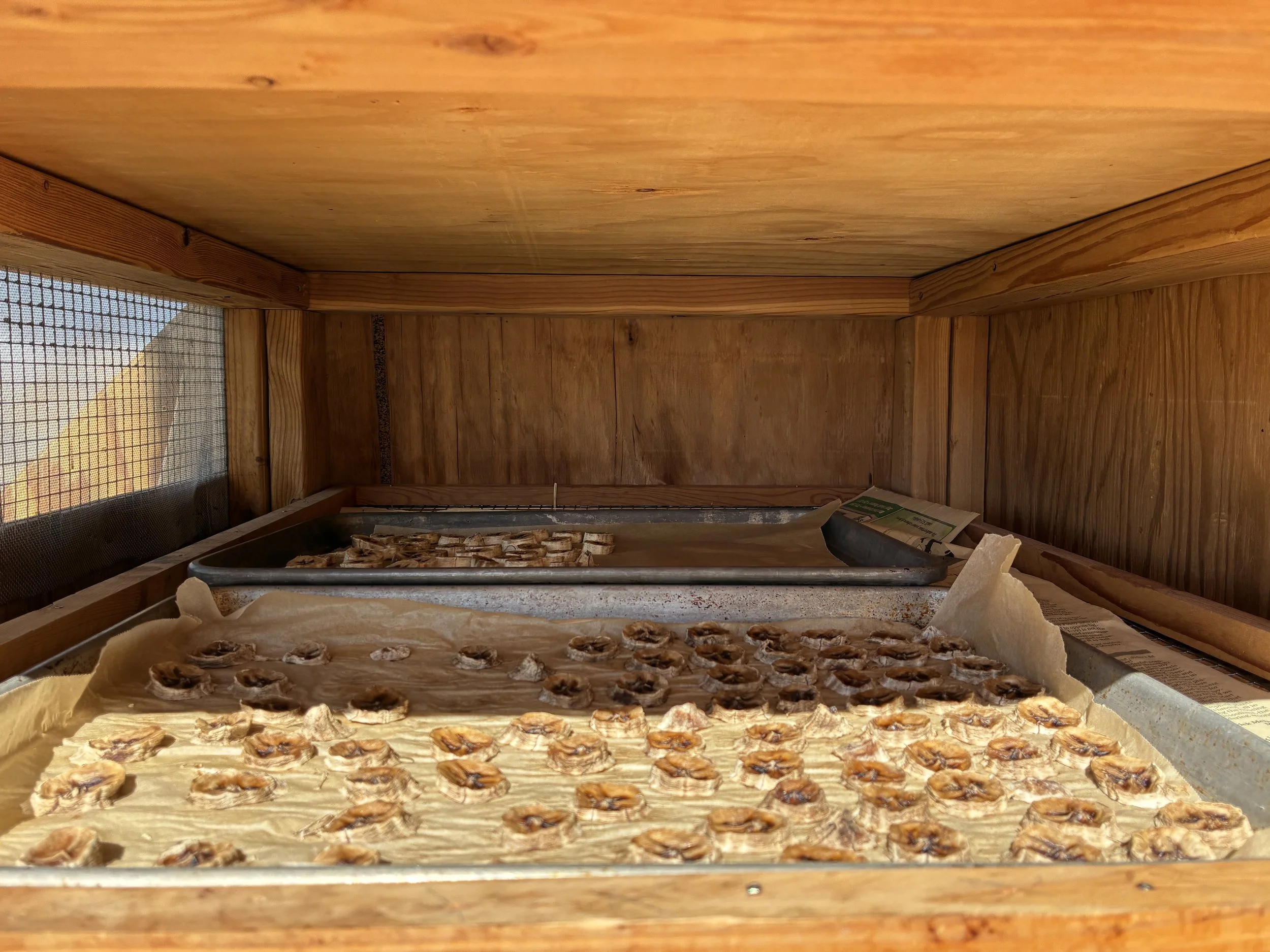
bannana
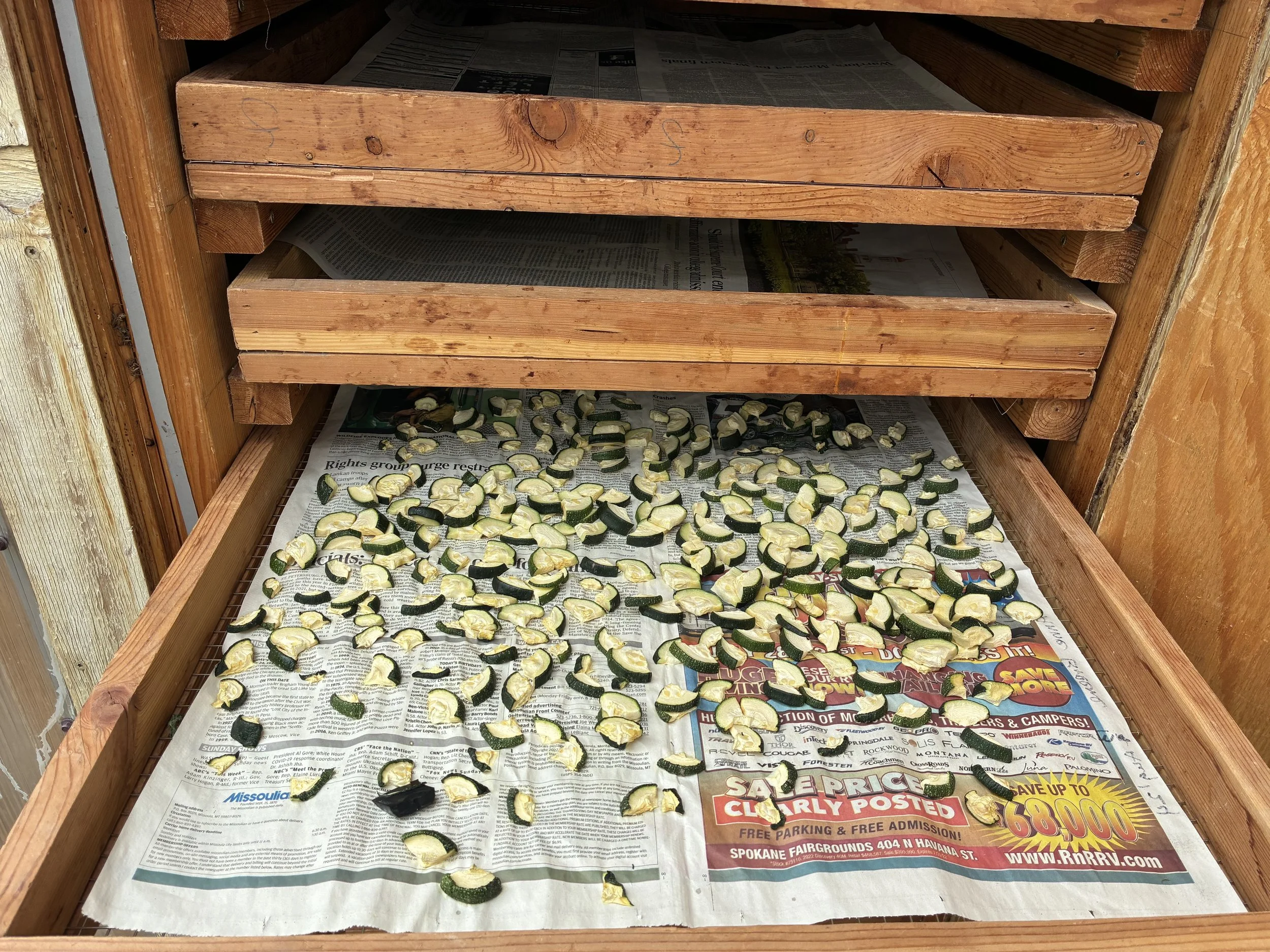
Gardening zuccni drying
We have a free, solar-powered community dehydrator at the River Road Farm in Missoula! It’s located just behind the office near the River Road Community Garden, and there’s a second one at the Northside Community Garden.
These dehydrators runs entirely on solar power and are perfect for preserving extra produce like fruits, vegetables, and herbs (note: meat is not allowed).
Read more: Solar Dehydrator & Dehydrating veggies
Some tips for using it:
Read the on-site guidelines carefully
Label your tray with your name
Check on your food consistently — drying times vary
The higher the water content, the longer it’ll take to dry
Great options to dehydrate: zucchini, peppers, herbs, tomatoes, kale, and more!
Whether you're stocking up for hiking, camping, or just want to stock up for the winter this is a wonderful (and free) tool to transform your harvest.
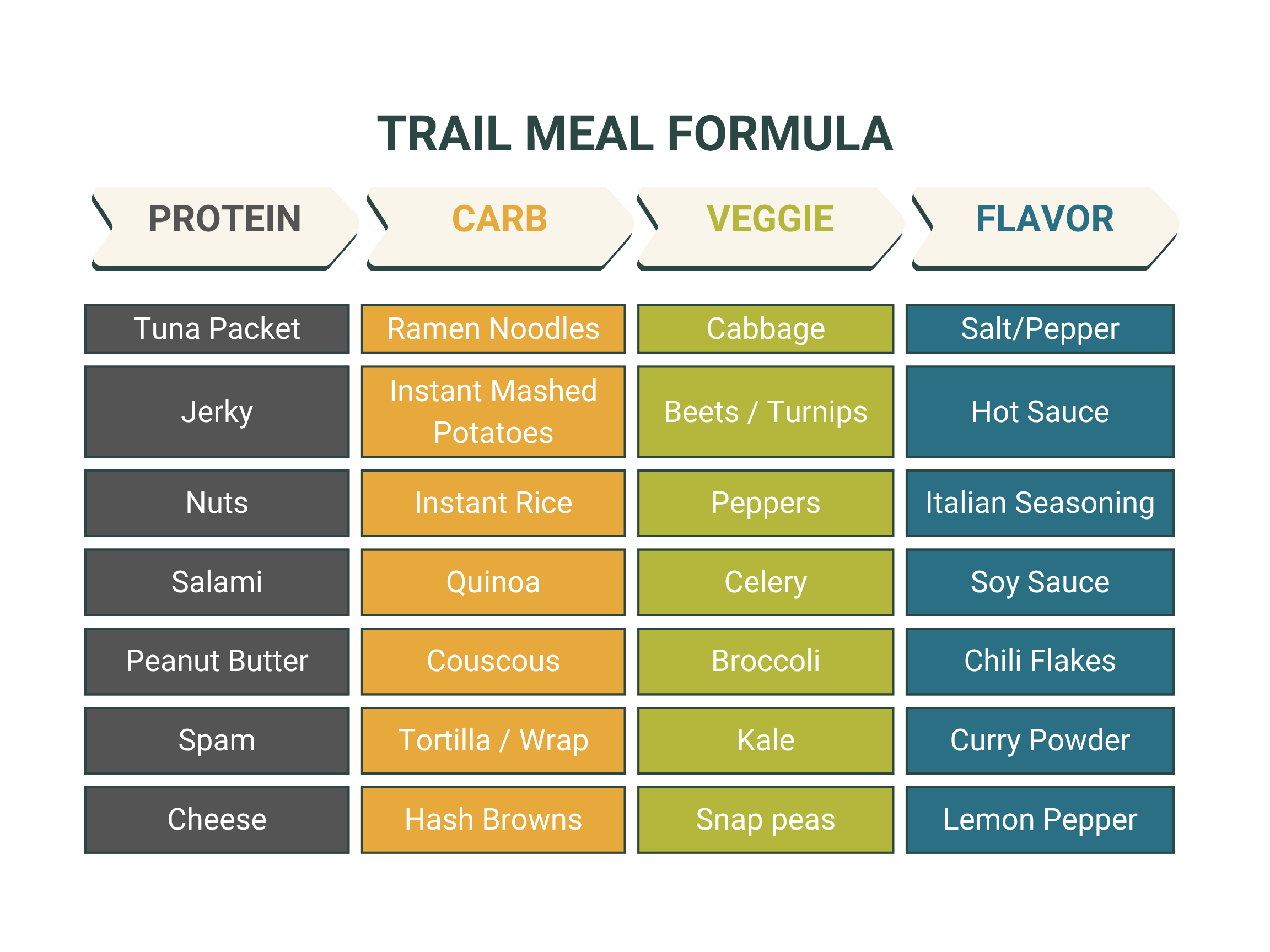
Use the Trail Meal Chart below to mix and match proteins, carbs, veggies and seasoning to build the perfect trail meal
Final Thoughts
You don’t need to settle for bland or overly processed meals while camping. With a little planning, you can eat well, stay energized, and even impress your trail buddies with the crunch of fresh produce!