
We All Belong to This Work
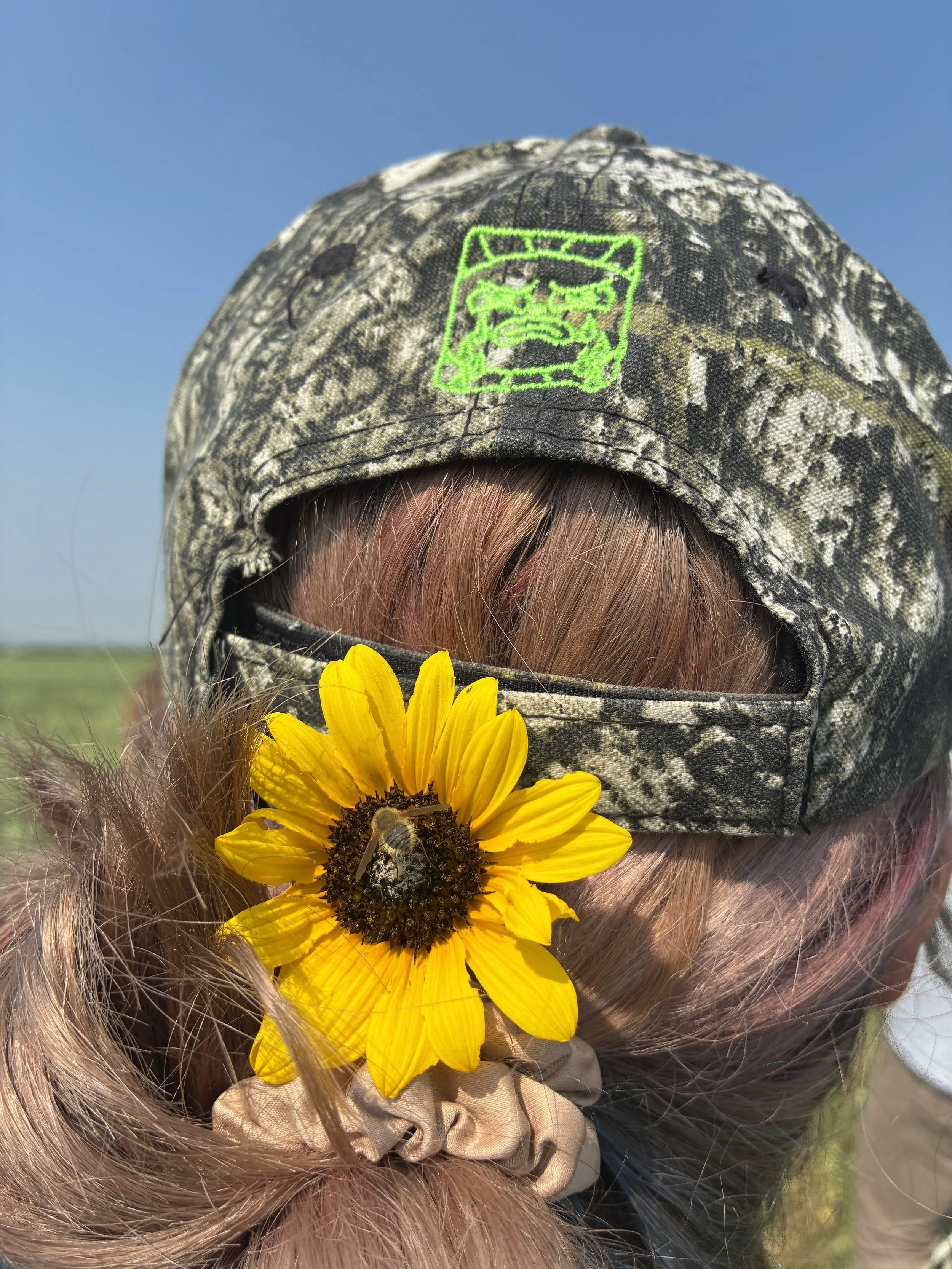
It's been eight summers now that Dave and I have been at the helm of the farm and worked alongside our summer student crew: this year, a group of tender-hearted and strong individuals who are now good farmers.
After that time there are a few things that feel like aphorisms to me – sayings that are true each time I come back around to this season of leaning into the sun.
The first is that all of us, no matter who we are, have ancestors who had intimate relationships with land, soil, plants, and animals. Every one of us. So, we all really belong to this work.
Land-based knowledge has faded from cultural dominance, but it's still there, preserved by people all over the world who continue this work. Smallholder farmers making a living from the soil, feeding the communities around them. We witnessed such farmers this summer during our field trips, learning about no-till vegetable production, draft horse power, closed loop fertility systems, and seed keeping. Farming is a way of life for rural people, and it's often in these forgotten places – like among dryland growers in Big Sandy or Sun River – where we find repositories of human know-how for living in relationship with land.
As one student said on our field trip to dryland country, it feels like we're seeing something secret, that no one else sees – thousands of acres of grain, wheat awns tickling our shins. Cover crops and crop rotations. Wildflower roadsides humming with bees.
Yet there it is.
Second: farming holds everything. And by that I mean, agriculture is both a source of oppression, as well as a tool of liberation.
Crops have been burned in war, people assimilated with food, tools, crops, and histories of farming tell of land taking and human enslavement.
And yet, at the same time, farming is a source of empowerment; where biodiversity thrives and landscapes flourish with fire on the land, as we learned about this summer during Lian's talk on swidden agriculture or shifting cultivation in Myanmar. Or from Indigenous farmers reconnecting with and multiplying their ancestral seed, projects we support with the Four Sisters Garden here.
That's what the PEAS Farm teaches students – nuance, complexity, context – for messy questions with messy answers. And as we dig into the mire, we do it together, side by side, because we belong to the place, and now to one another, as we thin carrots, trellis tomatoes, sow clover.
Alongside this big-picture learning, there are the simple but very powerful lessons about what makes a good life.
I see it when my student tells me they are taking better care of their body, because they need it more now, here on the farm.
Or from another student who – for the first time in a while feels well here: rising early, moving around the farm, talking with people, eating good food.
Or another student who understands the gift of sharing the best that they have from their family farm – chevre goat cheese! -- for the best salad of the summer: kale and strawberries.
I want to thank our students for toiling with us this summer to grow a bounty we can all enjoy together. And for sitting with the big questions as well as the simple truths of life.


