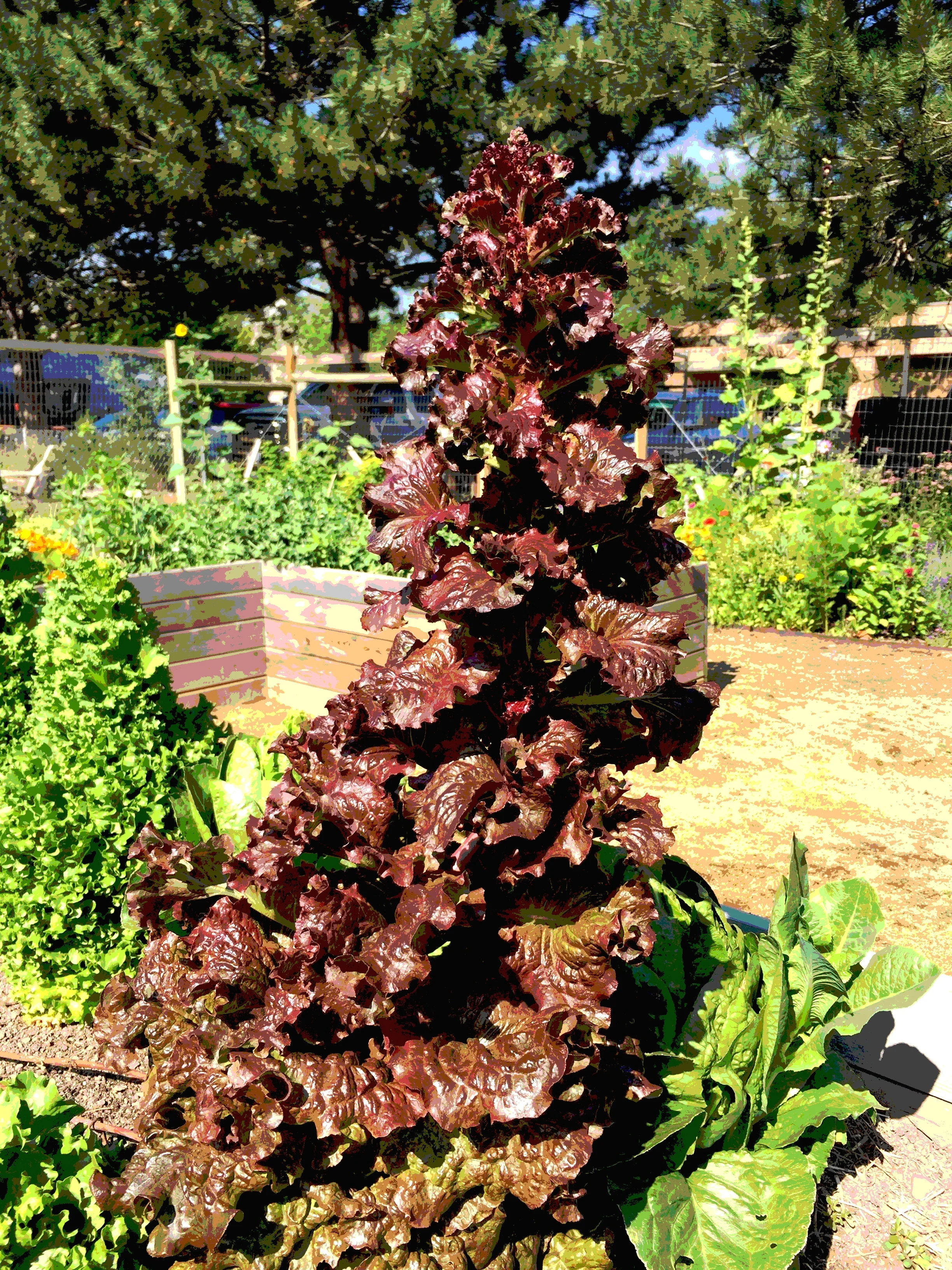
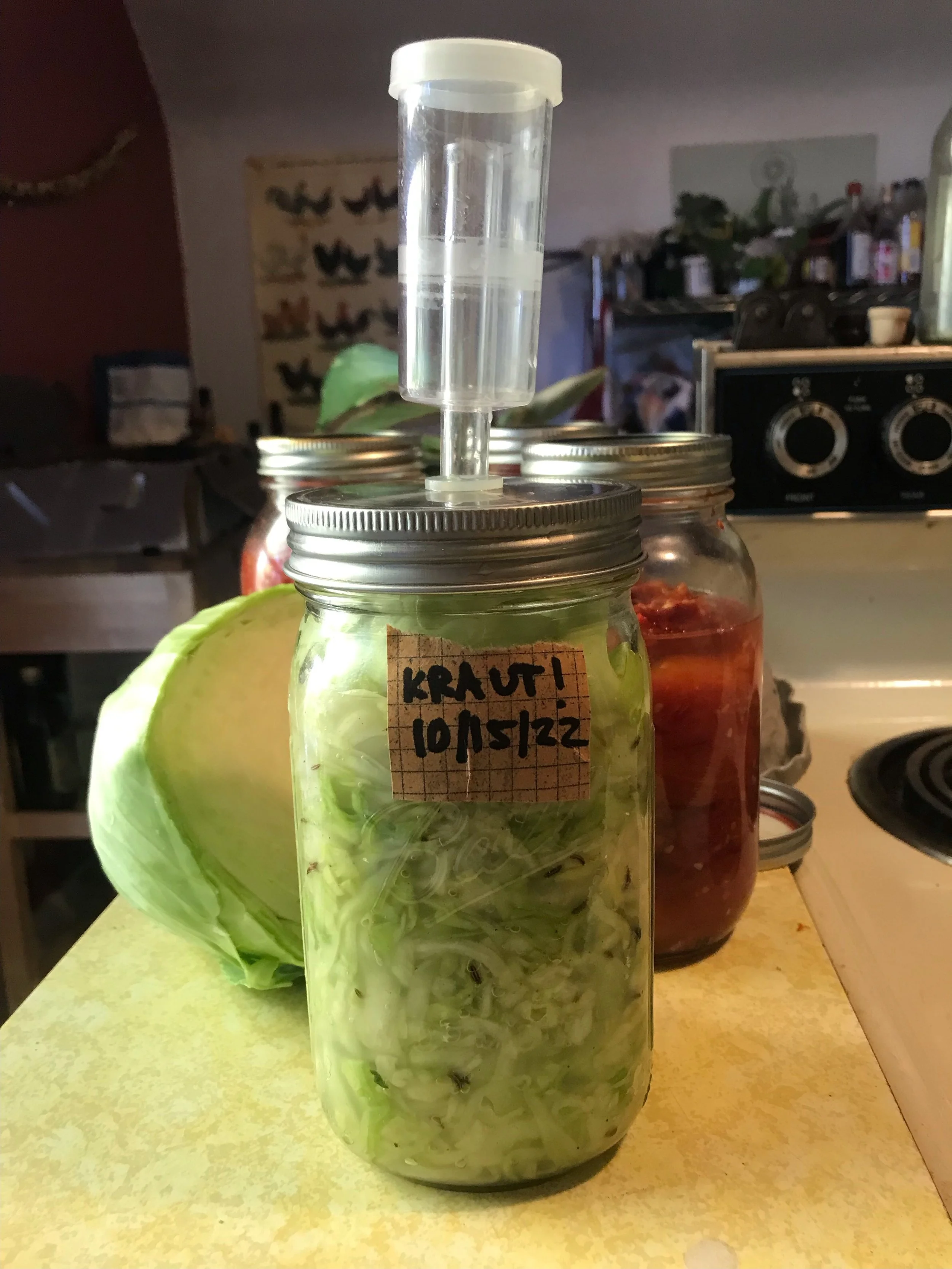
Fall is here, and with it comes those fall veggies you know and love--cabbage, carrots, beets, potatoes, onions, rutabagas, winter squash. As the veggies pile up, you might be wondering what to do with all of it. The nice thing about fall produce is that a lot of it is meant for storage, and therefore forgiving if you forget it in the back of your fridge for weeks at a time. Most of it will last deep into winter. But, if you’re looking for some fun fall projects with delicious results, maybe it’s time to dip your toes into the world of fermentation.
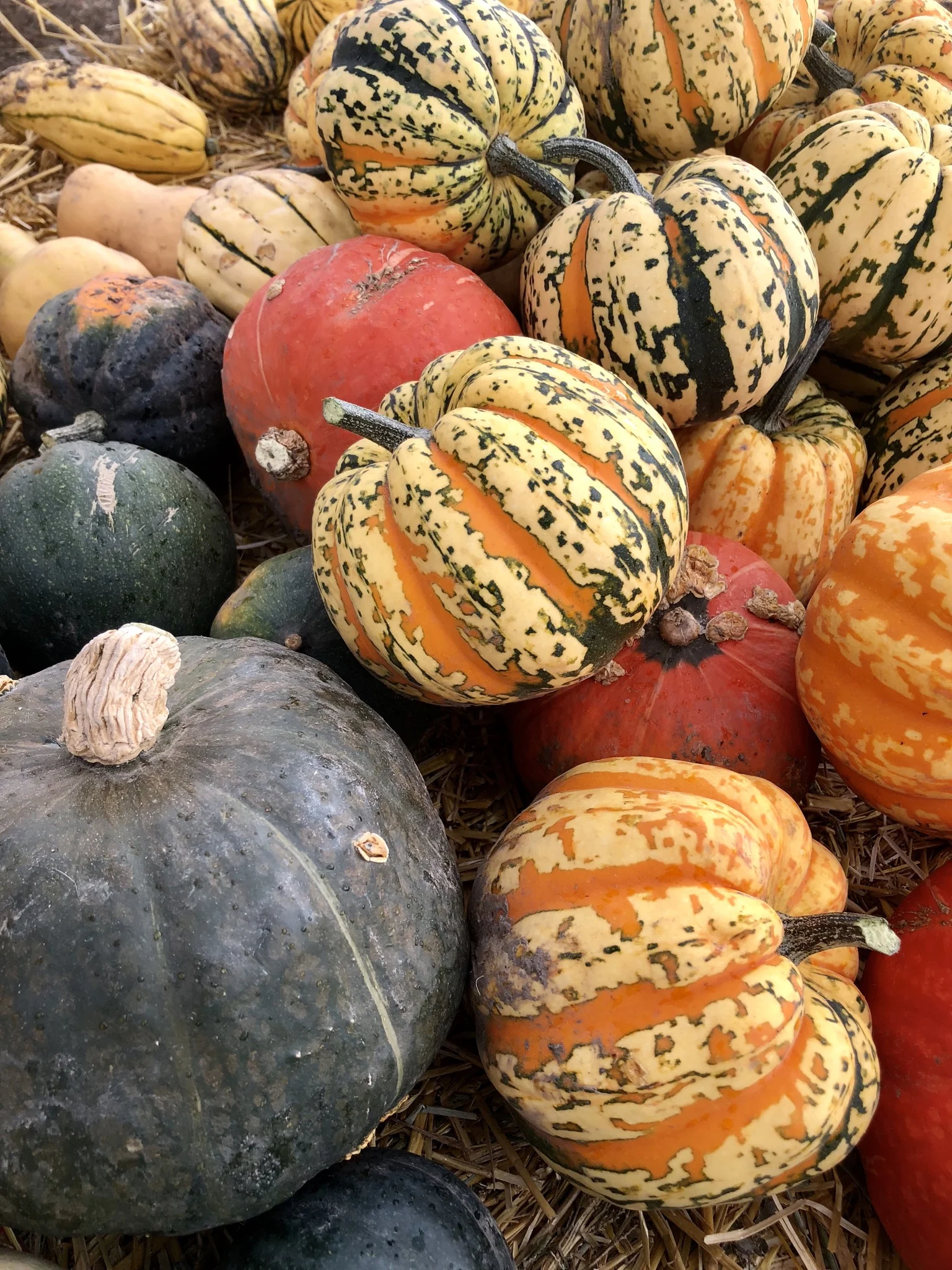
Read MoreThe days are getting shorter, the nights colder, and I find myself once again drawn into the kitchen willing to fire up the oven. One of the things I’m excited about cooking in the oven is winter squash. Here at the PEAS Farm, it’s the start of winter squash season and we are busy pulling out truckloads of squash from the fields for our CSA and the Missoula Food Bank.
Read MoreMSU Extension confirmed white rot on a garlic sample at our ASUM Community Gardens last month. I spoke with their horticulture specialist and their plant disease diagnostician to better understand how worried we should be, and most importantly, what it means for community gardeners and the future of our garlic growing.
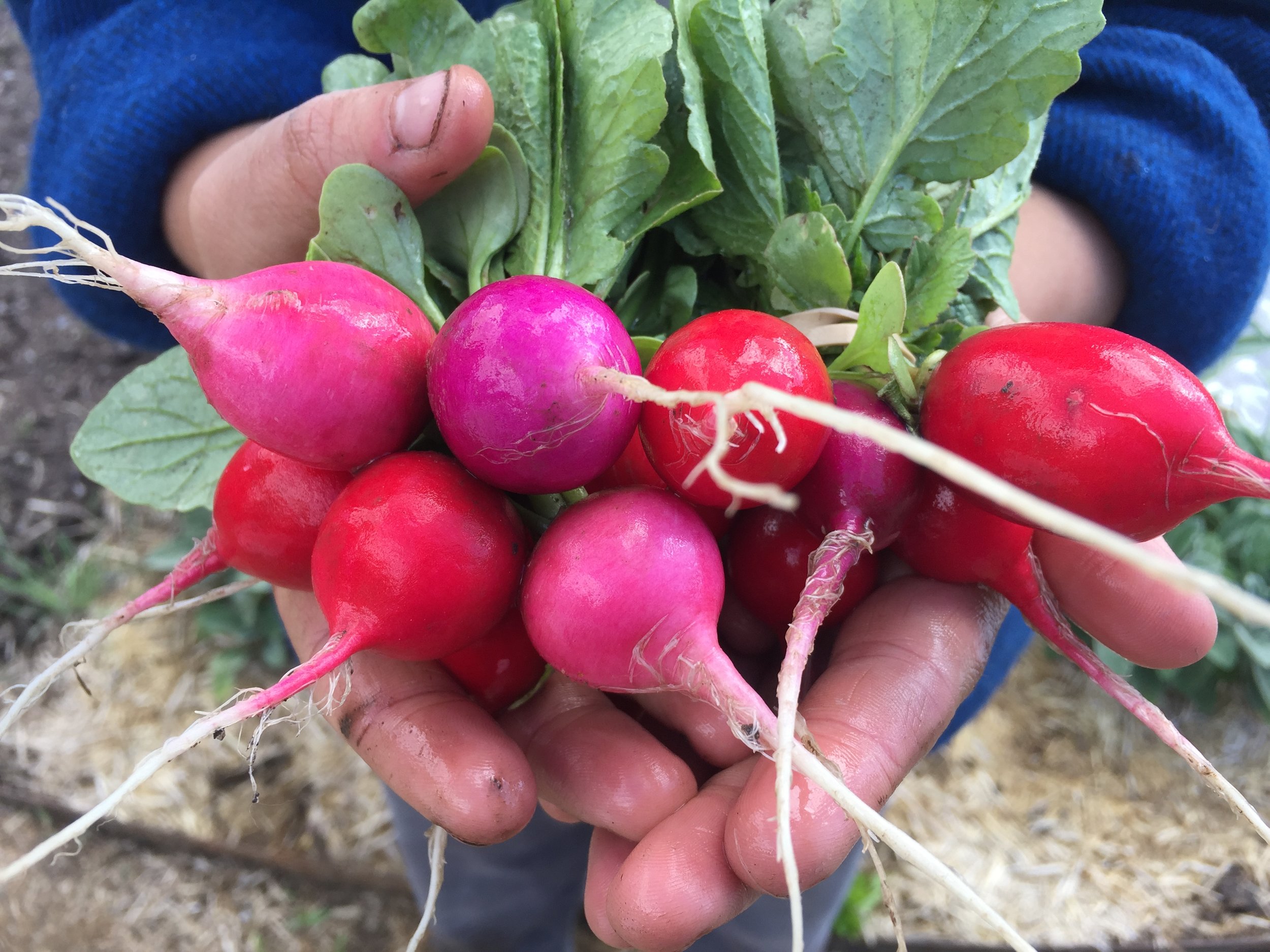
Read MoreWhat do sweaters, pumpkin-spiced lattes and radishes have in common? They’re all perfect for cooler weather! If you’re looking for something to plant in that bare spot in your garden, look no further than our list below. You’ll be enjoying these crops while wearing your wool sweater!
Read MoreDo you ever wonder what to do with those smooth skinned, moody purple, mysterious globes you’re starting to find in your CSA farm share? Eggplant can be one of those vegetables that stumps us in the kitchen.
Read MoreSome call it squash, most think it’s dreamy, another blog about zucchini.
Read MoreCaroline grew up making salad dressing from scratch with her mother. Both her mom and grandmother have special formulas for making the perfect dressing.
Read MoreAs our spring vegetable crops begin to wane, i.e. your lettuce tastes bitter, and your peas are starchy and dry…Instead of ripping all the plants out and tossing them in the compost, think about saving seeds from these crops for next year! Turns out peas and lettuce (and tomatoes) are great crops to make your first foray into seed saving.
Read More